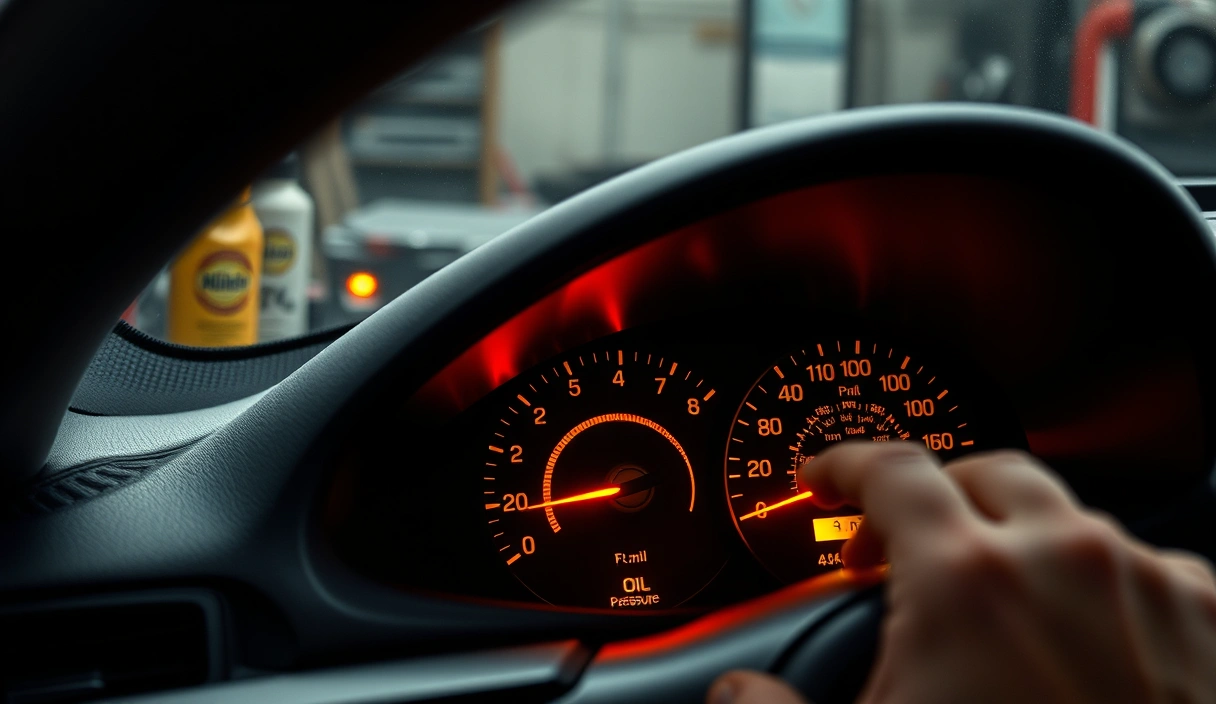
Engine Oil Problems & Symptoms
Oil Pressure Light: What It Means and What to Do Right Now
The oil pressure light is not a maintenance reminder — it's an emergency. What it means, what's causing it, and the right steps in the next five minutes.
Browse all motor oil guides, reviews, and troubleshooting articles
The oil pressure light is not a maintenance reminder — it's an emergency. What it means, what's causing it, and the right steps in the next five minutes.
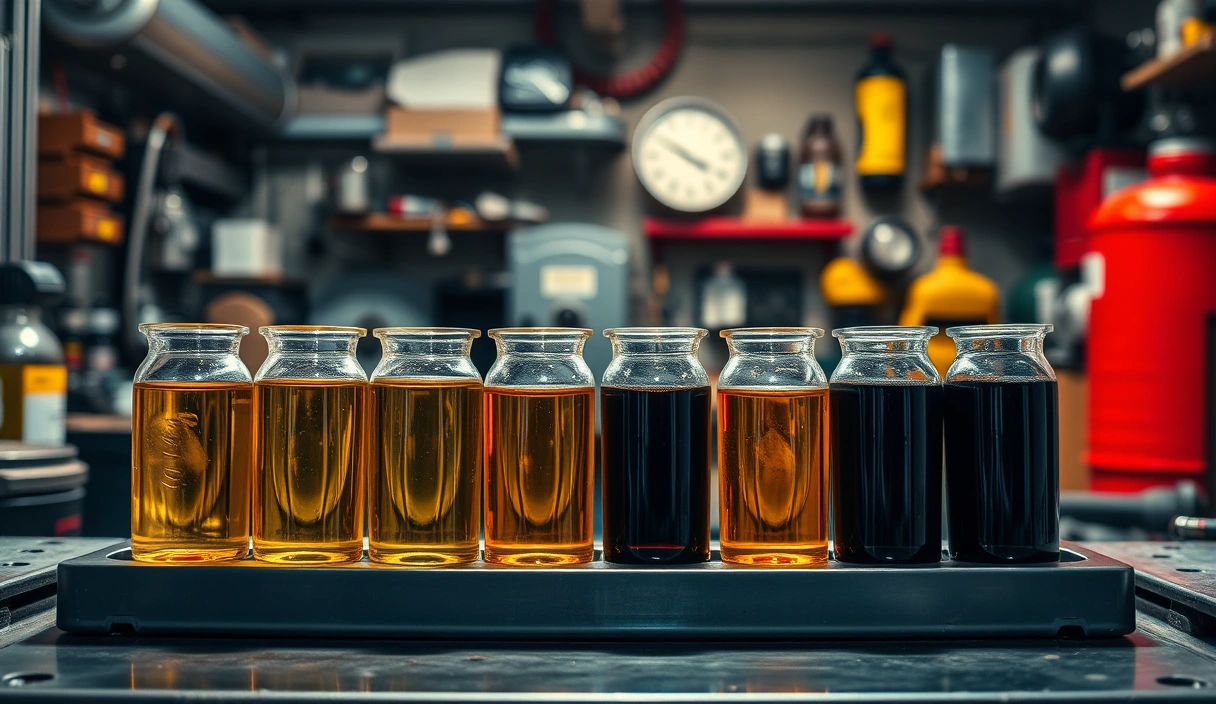
Use this motor oil color chart to read your dipstick — from normal amber to dangerous milky white — and know exactly when to stop driving.
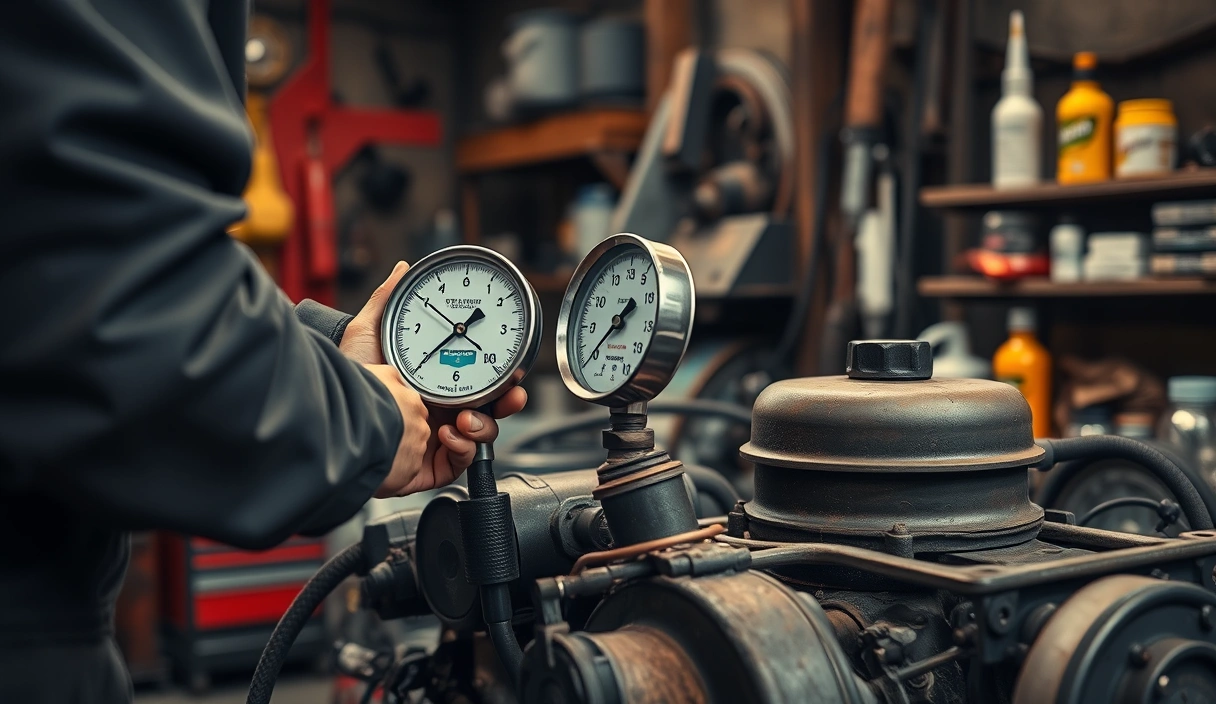
Low oil pressure causes range from low oil level to worn bearings. Diagnose which one you have — and what to do in the next five minutes.
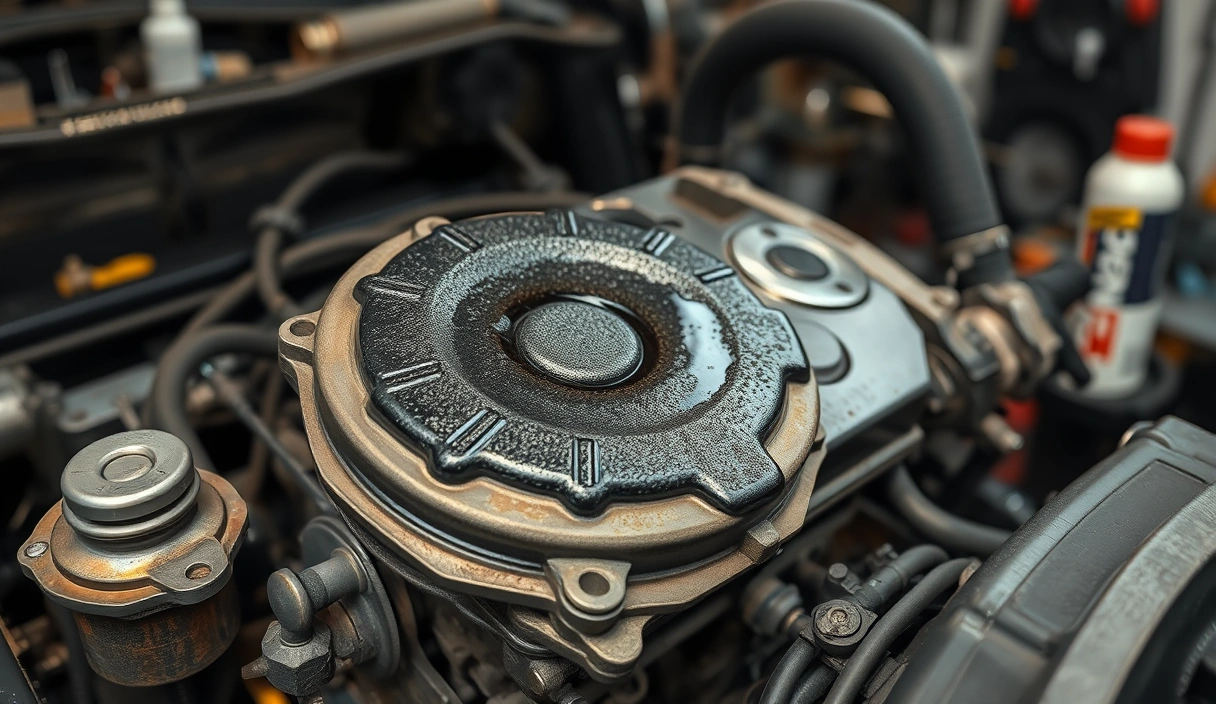
Engine oil sludge can kill your engine silently. Learn what causes it, how to spot it, and the exact steps to flush and prevent it for good.

Engine knocking from low oil is rod knock or lifter noise from oil starvation. How to diagnose it, what it means, and whether it's salvageable.

Burning oil symptoms are easy to miss until levels get critically low. Here's how to spot the signs early and what they tell you about your engine.
Valvoline vs. Castrol: both pass API SP and ILSAC GF-6A. The difference is in product lines, pricing, and where each brand outperforms the other.
Pennzoil vs. Mobil 1: both are full synthetic API SP oils at similar prices. The real differences come down to base oil source and certification coverage.
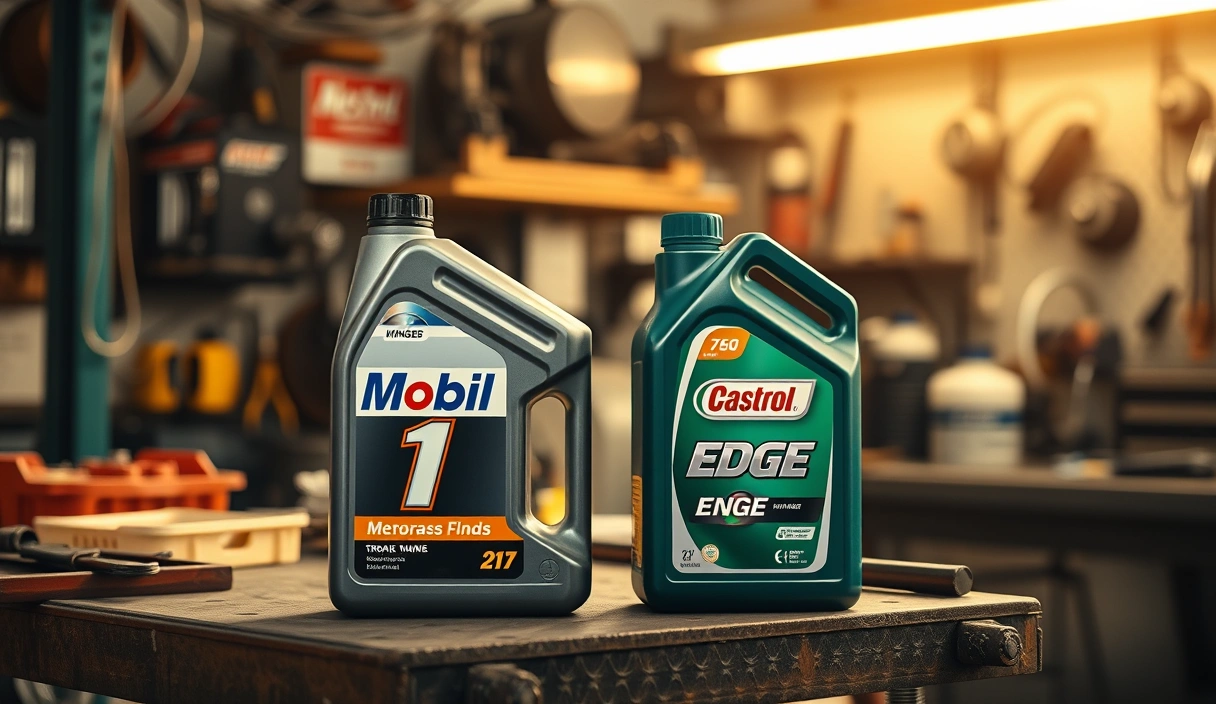
Mobil 1 vs. Castrol Edge: same base stock, same price. The real difference is OEM certifications — dexos1 for GM, BMW Longlife for Castrol.
The best synthetic motor oil for most drivers is Mobil 1 Advanced Full Synthetic. Here's how 6 top brands compare — plus which to buy for your engine.
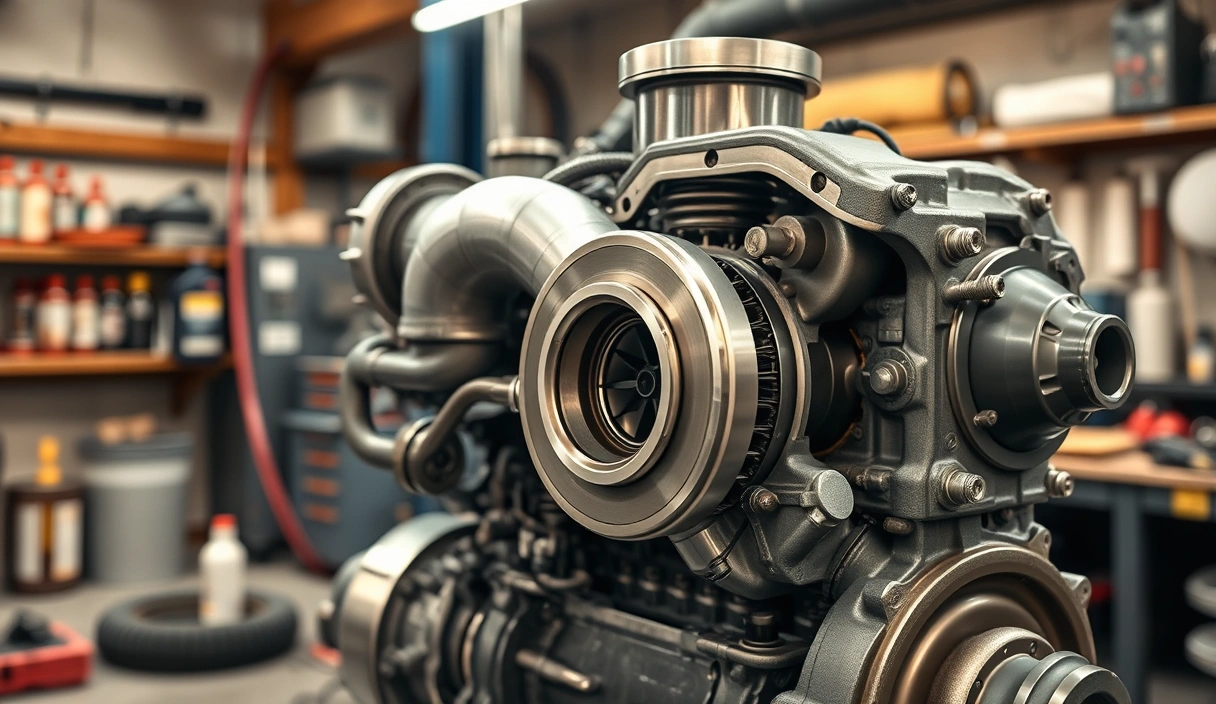
The best oil for turbocharged engines is full synthetic API SP — brand and viscosity matter too. Here's what turbos need and which oils deliver it.
AMSOIL Signature Series costs roughly twice what Mobil 1 does. Here's what you actually get for the premium, and whether it changes for your engine.