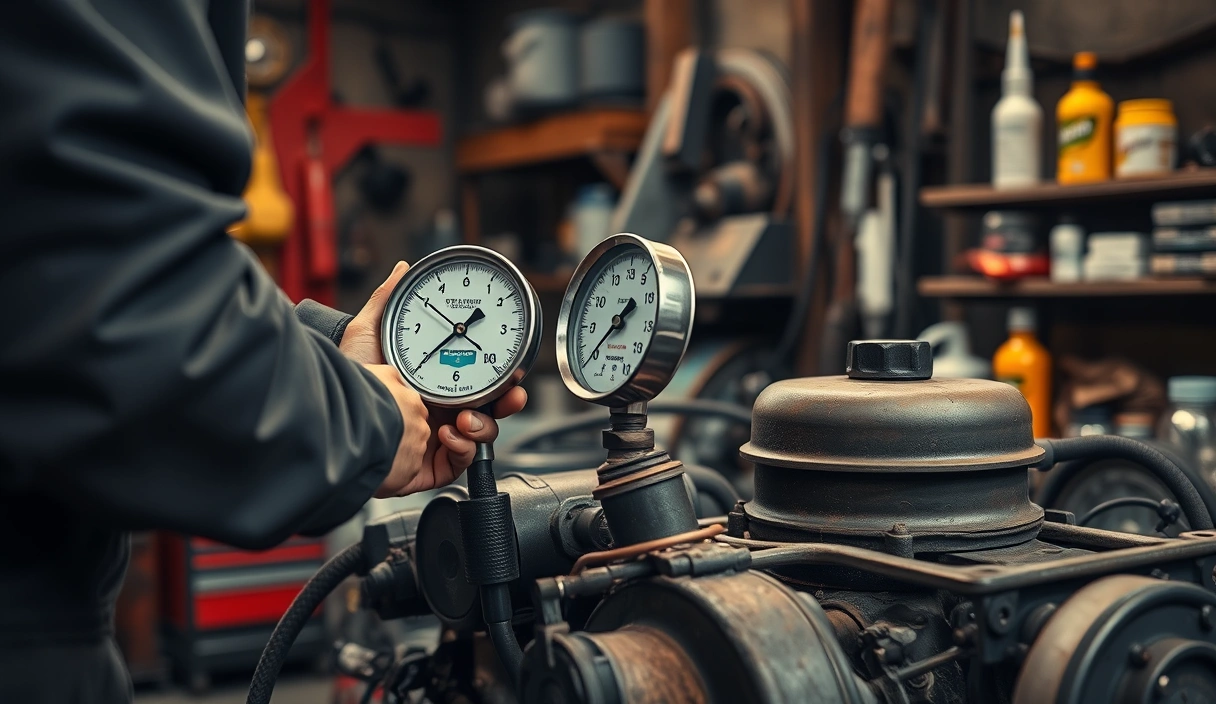
Low Oil Pressure Causes: What's Behind the Warning Light and What to Do
Low oil pressure causes range from low oil level to worn bearings. Diagnose which one you have — and what to do in the next five minutes.
Contents
Low oil pressure and low oil level are two different problems. Low oil level is simple — you’re short on oil. Low oil pressure means the oil system isn’t generating adequate hydraulic pressure to protect the bearings, even if the oil level looks fine. Low oil pressure causes range from something simple (level, oil grade, overdue change) to mechanical failure (worn pump, worn bearings). Each has different causes and a different urgency level.
If your oil pressure warning light just came on, pull over immediately. Don’t wait for convenient parking — low oil pressure damages engine bearings in minutes at operating temperature. Shut the engine off, then read this.
What Oil Pressure Actually Does
Your engine’s bearings don’t run metal-on-metal. They ride on a thin wedge of pressurized motor oil — the hydrodynamic film that separates the crankshaft journal from the bearing shell. That film exists only because your oil pump is continuously forcing pressurized oil into the bearing clearances.
Normal oil pressure at operating temperature runs roughly 25–65 PSI in most passenger car engines (check your owner’s manual for the exact specification — some high-performance and European engines run higher baselines). At idle it drops; at high RPM it rises. The dashboard oil pressure warning light activates when pressure drops below approximately 7–10 PSI — a threshold that represents critical lubrication failure, not a low-oil reminder.
When oil pressure falls below the film-sustaining threshold, bearing surfaces contact each other directly. At engine operating speeds, this contact generates heat that damages the bearing material within minutes. A spun bearing, scored crankshaft journal, or wiped camshaft lobe are the consequences of running an engine with inadequate oil pressure — none of them cheap to repair.
The Low Oil Pressure Causes, Ranked by Likelihood
1. Low Oil Level
The most common cause. Oil pressure requires sufficient oil volume in the pan for the pump to draw from. A quart low on a 5-quart system means 20% less available oil — the pump still works, but under conditions of high demand (high RPM, hard acceleration, sustained load) it can’t maintain adequate pressure.
Check this first: Pull the dipstick. If it’s at or below MIN, you’ve likely found your problem. Add oil to bring the level to MAX before continuing.
If adding oil resolves the pressure warning and it doesn’t return, low oil level was the cause. Monitor more frequently — your engine is consuming or leaking oil if it’s running low between changes.
2. Oil Viscosity Mismatch
Oil that’s too thin at operating temperature doesn’t maintain adequate film pressure in bearing clearances. This can happen two ways:
Wrong grade: Using a 5W-20 in an engine designed for 5W-30 means lower operating viscosity than the bearing clearances were engineered for. The film thins under high load.
Viscosity breakdown in aged oil: Motor oil that’s been in service past its change interval undergoes viscosity degradation — the Viscosity Index Improver polymers shear under mechanical stress, and base oil oxidizes. Oil that started as 5W-30 may be behaving like 5W-20 toward the end of a long service interval. Low oil pressure in an engine running overdue oil change is often the result of viscosity breakdown, not structural failure.
If the oil change is overdue, change the oil first before diagnosing further. If pressure improves after a fresh oil fill, the old oil’s viscosity was the problem.
3. Oil Pump Wear or Failure
The oil pump circulates motor oil under pressure throughout the engine. Pumps wear gradually — the internal gears develop clearance that allows oil to slip past rather than being fully pressurized. A pump that’s marginally worn will show low pressure at idle but normal pressure at higher RPM. A severely worn or failed pump shows low pressure at all RPMs.
Oil pump failure is more common in high-mileage engines (150,000+ miles) or engines with a history of extended drain intervals. Sludge accumulation can also clog oil pump pickup screen passages, restricting the volume of oil the pump can draw — a partial blockage mimics pump wear in its pressure effects.
Diagnosis: If pressure is low at idle but normal at higher RPM, pump wear is more likely than level or viscosity issues. If pressure is low at all RPMs, suspect pump failure or severe pickup screen blockage.
4. Oil Sludge Buildup
Oil sludge — baked-on oxidized oil deposits — accumulates in oil passages, around the pickup tube, and in the oil pump strainer screen. Significant sludge buildup restricts oil flow just as a kinked hose would, reducing effective pressure throughout the system.
An engine with a history of extended drain intervals on conventional oil, or one that’s missed multiple oil changes, is a candidate for sludge-related pressure issues. The engine oil sludge guide covers how sludge forms, what it looks like, and the cleaning approaches that work for different severity levels.
5. Worn Bearings
Engine bearings wear gradually over mileage — the bearing material thins, and clearance between journal and shell increases. Larger clearance means pressurized oil escapes through the gap faster than the pump can replace it, dropping system pressure. This is the “worn engine” scenario.
Signs that point to bearing wear rather than other causes:
- Consistent low pressure across all RPMs, not just idle
- Knocking sound at low RPM that changes with RPM
- High mileage (typically 150,000+ miles without rebuild)
- No improvement after oil level correction and fresh oil fill
Bearing wear as a standalone cause of low pressure is typically late-stage — it represents a need for engine rebuild or replacement rather than a maintenance fix.
6. Oil Pressure Sending Unit Failure
Before assuming mechanical failure, consider the gauge. The oil pressure sending unit is a sensor that translates actual oil pressure into an electrical signal for the dashboard gauge or warning light. These sensors fail with some regularity, giving false low-pressure readings while actual pressure is fine.
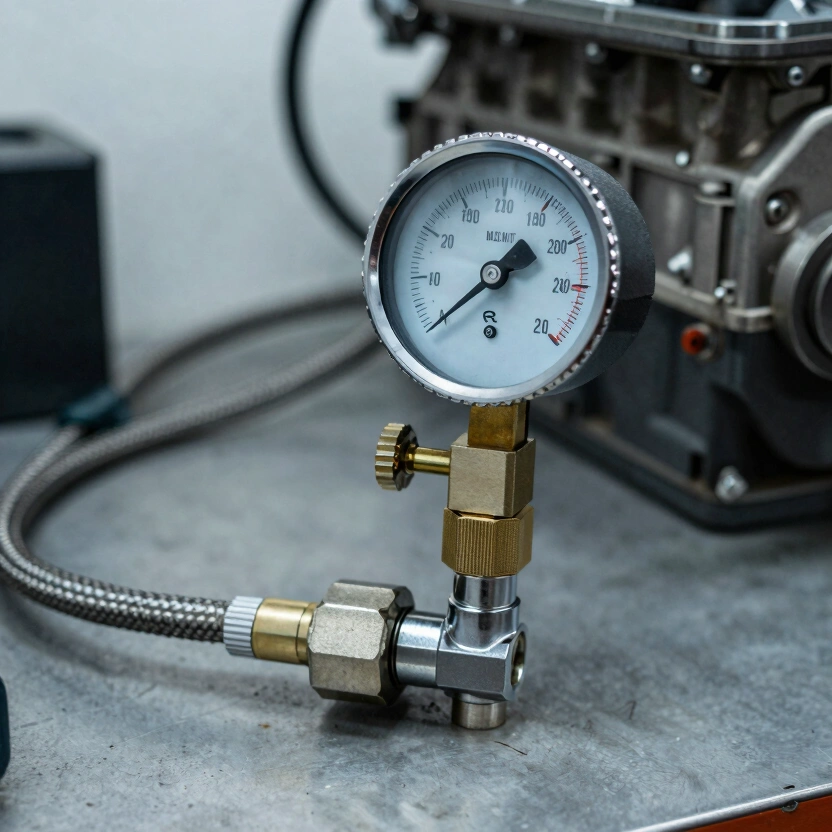
How to distinguish false readings from real low pressure: Use a mechanical oil pressure gauge — a direct-reading gauge that screws into the sending unit port and bypasses the electrical system entirely. They’re inexpensive ($15–25 at any auto parts store). If a mechanical gauge shows normal pressure while the dashboard shows low, the sending unit is the problem. If the mechanical gauge confirms low pressure, you have an actual oil system issue.
Immediate Steps When the Oil Pressure Light Comes On
Pull over and stop immediately. Don’t try to reach a parking lot or a side street. Stop where safe and shut the engine off. Every second of operation with critically low pressure risks permanent bearing damage.
Check the oil level. Pull the dipstick. If low, add oil and restart to check if pressure restores. If the level is fine, the cause is not simply low oil volume.
Don’t restart if you suspect real pressure failure. If oil level is fine and the warning light came on at operating temperature, do not restart the engine and drive. Have the vehicle towed.
Get a mechanical pressure test. Before major diagnosis or repair, confirm actual oil pressure with a mechanical gauge. This one step distinguishes a $25 sensor replacement from a $3,000 engine repair.
Prevention: What Keeps Oil Pressure Normal Long-Term
Most low oil pressure events that happen prematurely are preventable:
Change oil on schedule. Viscosity breakdown from extended drain intervals is a common pressure-related cause in engines that otherwise have no structural issues. Fresh full synthetic oil maintains its rated viscosity and film-sustaining pressure capability throughout the service interval.
Check oil level monthly. Catching consumption before it becomes critical prevents the scenario where a quart-low engine reaches threshold at highway speed.
Use the specified viscosity grade. Don’t substitute lighter grades in engines designed for heavier ones. The operating viscosity was specified for the bearing clearances in your specific engine.
Address sludge if it’s present. An engine with visible sludge under the valve cover should be cleaned before the sludge progresses to oil passage restriction. Several oil treatments (including high-detergent full synthetic oils and specific flush products) can address mild sludge over multiple change cycles. Sludge-restricted oil passages are one of the more overlooked low oil pressure causes in high-mileage engines with uneven maintenance histories.
The relationship between oil quality, change intervals, and long-term pressure maintenance is covered in the oil change frequency guide — specifically the section on how drain interval affects oil film strength.
Full Synthetic Oils That Maintain Film Pressure at Spec


* Affiliate links. Prices last updated March 6, 2026.

Related Articles
- How to Choose the Right Motor Oil for Your Engine
- Oil Pressure Light: What It Means and What to Do Right Now
- Engine Knocking From Low Oil: What the Sound Means and What to Do
Frequently Asked Questions
Can I drive with low oil pressure?
No. Low oil pressure below the warning threshold means critical lubrication failure is occurring in your engine bearings right now. Driving further accelerates bearing damage — a spun bearing can happen within minutes at operating RPM with inadequate pressure. Stop immediately, shut off the engine, and determine the cause before continuing.
What does low oil pressure feel like?
You typically won’t feel it directly — bearings failing on low oil pressure don’t always produce immediate symptoms before damage occurs. The warning light is your primary indicator. Some drivers notice a subtle engine knock at low RPM that worsens under load. By the time you feel vibration or hear significant knocking, bearing damage may already be significant.
Is low oil pressure always serious?
Sometimes it’s a false alarm from a faulty sending unit or a temporary condition after a cold start when oil hasn’t fully warmed. A mechanical gauge test quickly confirms which situation you’re in. Real sustained low pressure at operating temperature is always serious. Cold-start momentary pressure fluctuation that resolves within 30 seconds of startup is usually normal — cold, viscous oil takes a moment to fully circulate.
Why is my oil pressure low after an oil change?
A few possibilities: the oil filter wasn’t fully tightened (check for leaks), the wrong viscosity was installed, or air got into the oil passages (can cause momentary low pressure that resolves once the filter fills). If pressure is still low after 2–3 minutes at idle with fresh oil, shut off and investigate before driving further.
What causes intermittent low oil pressure?
The most common cause of intermittent low pressure is an oil pressure sending unit beginning to fail — it reads low occasionally but gives normal readings at other times. A worn oil pump can also produce intermittent low pressure at idle that resolves at higher RPM. A mechanical pressure gauge test across multiple operating conditions will confirm which is happening.
Related Articles

Engine Knocking From Low Oil: What the Sound Means and What to Do
Engine knocking from low oil is rod knock or lifter noise from oil starvation. How to diagnose it, what it means, and whether it's salvageable.

Is Your Engine Burning Oil? How to Tell for Sure
Burning oil symptoms are easy to miss until levels get critically low. Here's how to spot the signs early and what they tell you about your engine.
Best Oil for Turbocharged Engines: What Actually Protects a Turbo
The best oil for turbocharged engines is full synthetic API SP — brand and viscosity matter too. Here's what turbos need and which oils deliver it.