Oil Pressure Light: What It Means and What to Do Right Now
The oil pressure light is not a maintenance reminder — it's an emergency. What it means, what's causing it, and the right steps in the next five minutes.
Contents
Your dashboard has two different oil-related warning lights, and they require completely different responses.
The oil change reminder light — typically a wrench icon or a message like “Oil Life 0%” — means your scheduled maintenance is due. Drive to the shop this week. No urgency.
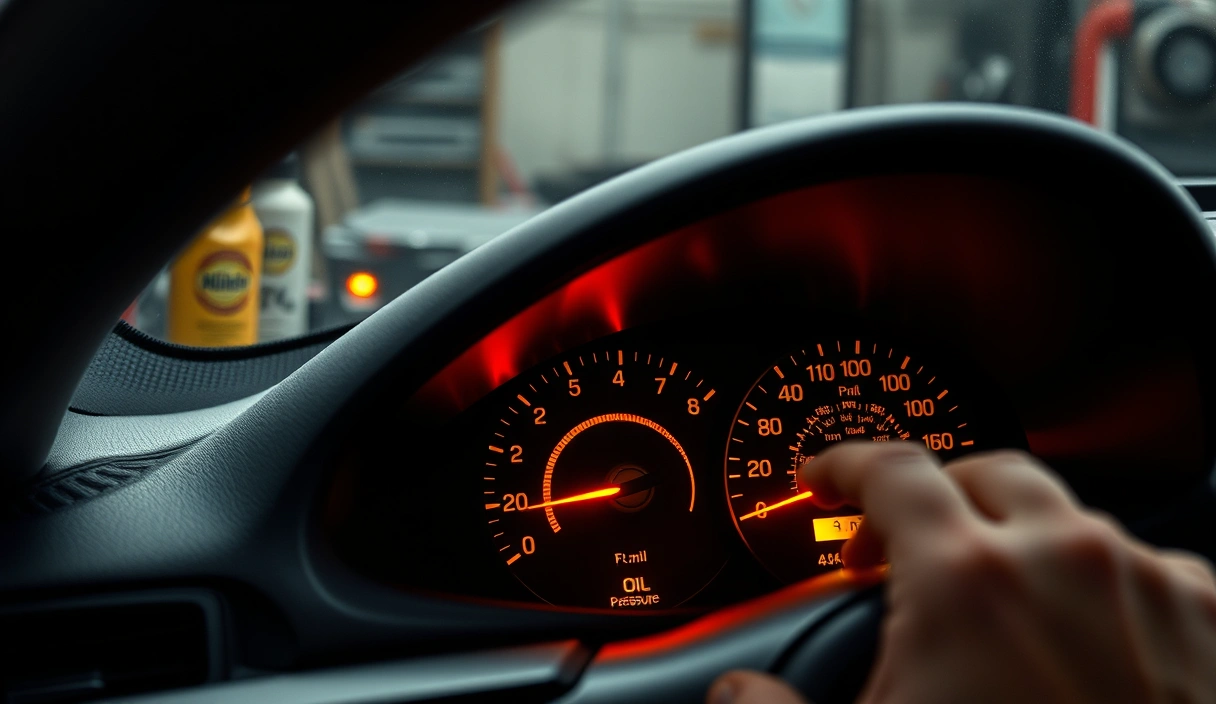
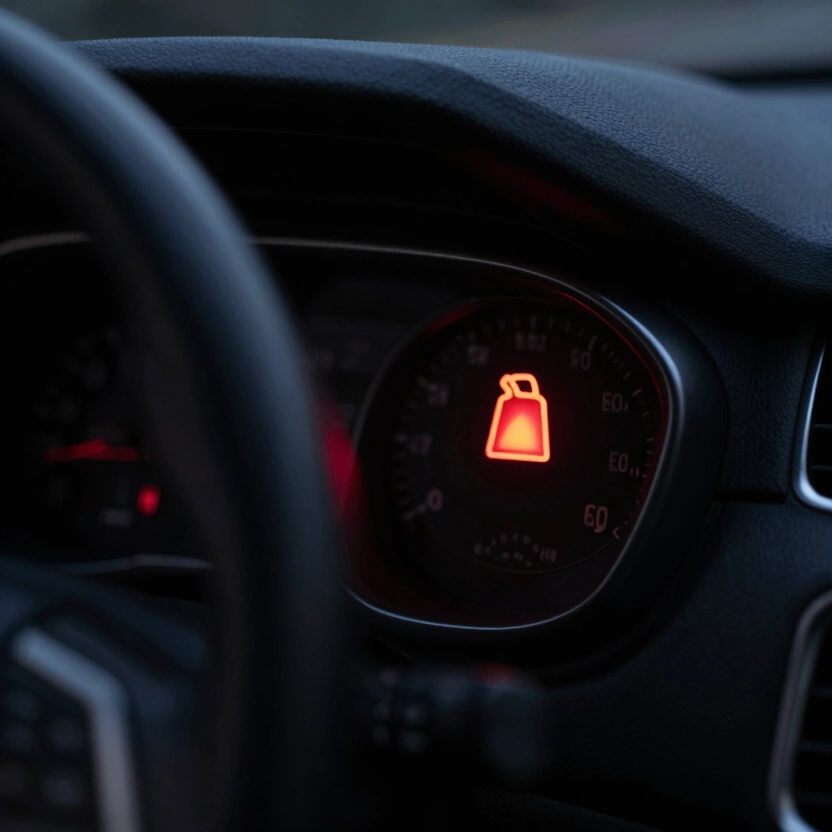
The oil pressure light — a red oil can icon, sometimes with a drop — means your engine has critically low oil pressure right now. Stop driving. Turn off the engine. Don’t restart it until you know why. Every minute of operation with the oil pressure warning light on risks permanent bearing damage.
If you’re reading this because that red light just came on: pull over, stop the engine, and then read the rest of this.
What the Oil Pressure Warning Light Is Telling You
The oil pressure light activates when oil pressure drops below approximately 7–10 PSI — the threshold below which the engine’s hydrodynamic film cannot be maintained. The hydrodynamic film is the pressurized oil wedge that separates crankshaft journals from bearing shells. When it collapses, metal contacts metal. At engine operating speeds, this contact damages bearing material in minutes.
Normal operating pressure in most passenger car engines runs 25–65 PSI at operating temperature (check your owner’s manual — high-performance and European engines can run different baselines). The oil pressure warning light is not a “you’re getting low” reminder. It’s a signal that pressure has already dropped to a critical level.
Is It Steady or Flashing?
The behavior of the oil pressure light matters.
Steady red light: Persistent low pressure — the sensor is reading below the threshold continuously. Could be low oil level, a failing oil pump, a blocked pickup screen, severe bearing wear, or a faulty sending unit. Stop immediately.
Flashing or intermittent light: Pressure is dropping in and out of the threshold range. Most common cause: the oil pressure sending unit is failing and giving erratic readings. Also possible: oil level that’s borderline low, causing pressure to drop under high-demand conditions (hard acceleration, cornering) but recover at idle.
An intermittent light doesn’t mean it’s definitely just a sensor — it means the situation is less immediately catastrophic, but it still requires diagnosis before continued driving.
Light comes on at idle but goes off at higher RPM: This is a specific pattern pointing to oil pump wear. A worn pump can generate adequate pressure at higher RPM but struggles at idle when demand is lower. Investigate promptly — this is a pump in early failure, not a normal operating condition.
The First Three Steps
Step 1: Pull over and shut off the engine. Don’t look for a parking lot. Don’t try to make it to the next exit. Stop where it’s safe and shut off the ignition immediately. The goal is to stop oil-starved operation as fast as possible.
Step 2: Check the oil level. Wait two minutes for oil to drain back to the pan, then pull the dipstick. If the level is below MIN or off the stick entirely — you’ve likely found the immediate cause. Add oil to bring the level to MAX before doing anything else.
After adding oil: restart and watch the dashboard. If the oil pressure light goes off and stays off, low oil level was the cause. Monitor the level closely over the next few weeks — your engine is either consuming or leaking oil if it ran that low.
Step 3: If the level is fine, don’t restart. An oil level that reads normal and a persistent pressure warning light means the cause is mechanical — pump, sending unit, bearing clearance, or sludge-blocked passages. Restarting and driving to get it diagnosed risks the very bearing damage you’re trying to avoid. Have it towed.
Common Causes of the Oil Pressure Warning Light
The oil pressure warning light has multiple possible causes. The low oil pressure causes guide covers each in detail with diagnostic guidance. The short version:
Low oil level — most common. Check first. Fix is a quart of oil away if caught early.
Wrong oil viscosity — using the wrong motor oil grade, like 5W-20 in an engine designed for 5W-30, reduces operating viscosity below what the bearing clearances require. Oil too thin for the design can’t maintain adequate film pressure at temperature. A common mistake after someone else’s oil change.
Oil pump wear or failure — the pump circulates oil under pressure. Worn or failing pumps show low pressure at idle first, then across all RPMs as wear progresses.
Sludge blocking the pickup screen — engines with extended drain history on conventional oil can develop sludge that partially blocks the oil pump inlet screen, reducing the volume of oil available to pressurize. Reads similarly to pump wear.
Worn bearings — high-mileage engines with worn bearing clearances allow pressurized oil to escape through the enlarged gap faster than the pump replaces it. This is the “engine rebuild” scenario.
Faulty oil pressure sending unit — the sensor itself fails and gives false low readings. This is the only cause that doesn’t involve actual low pressure. A $15 mechanical gauge screwed into the sending unit port distinguishes real low pressure from a bad sensor before any expensive diagnosis.
After the Light Goes Off
If the oil pressure light came on briefly and then went off — at startup or during a quick stop, for example — that doesn’t mean nothing happened.
Cold-start momentary light (clears in under 30 seconds): Often normal in colder weather. Cold, thick oil takes a moment to fully circulate. If the light clears quickly and doesn’t return, and oil level is correct, it’s usually benign. Worth monitoring.
Light that came on during driving, then went off: Not normal. This is the intermittent scenario. The most likely causes are a borderline-low oil level that dropped below the pickup in a corner or hard stop, or a failing sending unit. Check your level and don’t dismiss it.
Light came on, you added oil, it went off: Confirm the level is correct on the dipstick (not just added oil, but where it reads now). Watch carefully on the next few drives — any recurrence means the level is dropping between checks, indicating ongoing consumption or a leak.
What This Light Costs to Ignore
Bearing damage from running an engine without adequate oil pressure is not a minor repair. Spun bearings require engine removal and rebuild or replacement — costs ranging from $2,500 to $8,000+ depending on engine type and vehicle. A scored crankshaft journal can double that.
The asymmetry is stark: towing the car to a shop costs $100–200. Driving on a failed pump or empty sump costs an engine. If you’re uncertain whether the light is a real pressure problem or a sensor fault, the $15 mechanical pressure gauge test is the cheapest diagnostic step available. Connecting that gauge to the sending unit port takes five minutes and eliminates all uncertainty about whether actual pressure is normal.
Full Synthetic Oils That Maintain Oil Pressure at Spec


* Affiliate links. Prices last updated March 6, 2026.

Related Articles
- Low Oil Pressure Causes: What’s Behind the Warning Light and What to Do
- Engine Oil Sludge: What It Is, What Causes It, and How to Fix It
Frequently Asked Questions
Can I drive with the oil pressure light on?
No. The oil pressure warning light indicates critical lubrication failure is occurring at the engine bearings. Continued operation accelerates bearing damage — at operating RPMs, the metal-to-metal contact caused by inadequate oil pressure damages bearings within minutes. Stop where it’s safe, shut off the engine, and diagnose before driving.
What does it mean when the oil pressure light comes on at idle?
Low pressure at idle specifically — combined with normal pressure at higher RPM — is the pattern of a wearing oil pump. The pump maintains pressure at higher speeds but struggles at low RPM when demand is lower. It’s also possible at idle after the engine warms up and oil thins slightly. Either way, have the pump evaluated before the pattern progresses to low pressure at all speeds.
Is the oil pressure light the same as the oil change light?
No — these are different warning systems with different urgency levels. The oil pressure light (red oil can icon) indicates a pressure emergency requiring immediate engine shutoff. The oil change reminder (wrench icon, “oil life” percentage, or similar) indicates a scheduled maintenance interval. Confusing the two is dangerous — treating the pressure emergency like a routine maintenance reminder is how bearing damage happens.
Why did the oil pressure light come on after an oil change?
A few possibilities: the oil filter wasn’t fully tightened (check for leaks at the filter), the wrong oil viscosity was installed, or air got into the passages during the change (can cause momentary low pressure that resolves within 2–3 minutes at idle as the filter fills). If the light persists past 3 minutes of idle with fresh oil in the car, shut off and investigate before driving.
What’s the difference between the oil pressure light and the temperature warning?
The oil pressure light (oil can icon) is about lubrication pressure. The temperature warning (thermometer icon) is about engine coolant temperature. Both are stop-immediately emergencies but for different reasons. Oil pressure failure damages bearings; temperature failure risks head gasket and piston damage from overheating. Both require shutting off the engine promptly.
Related Articles
Low Oil Pressure Causes: What's Behind the Warning Light and What to Do
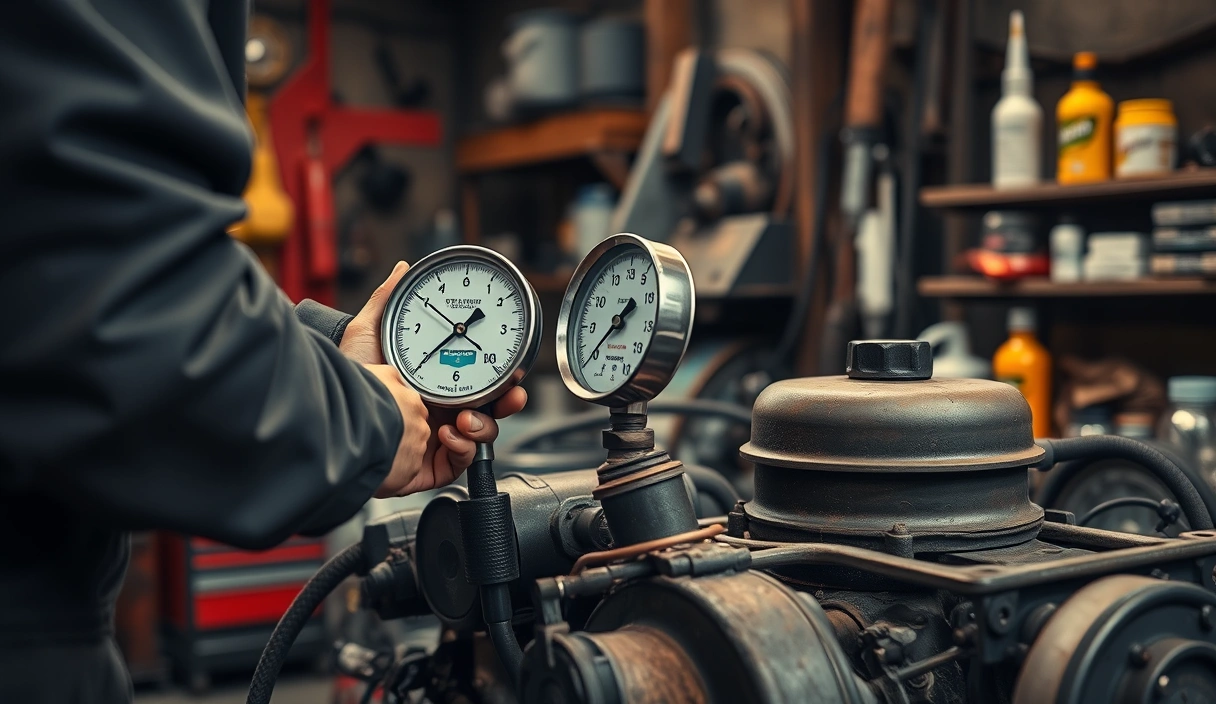
Low oil pressure causes range from low oil level to worn bearings. Diagnose which one you have — and what to do in the next five minutes.
Motor Oil Color Chart: What Each Color Tells You About Your Engine
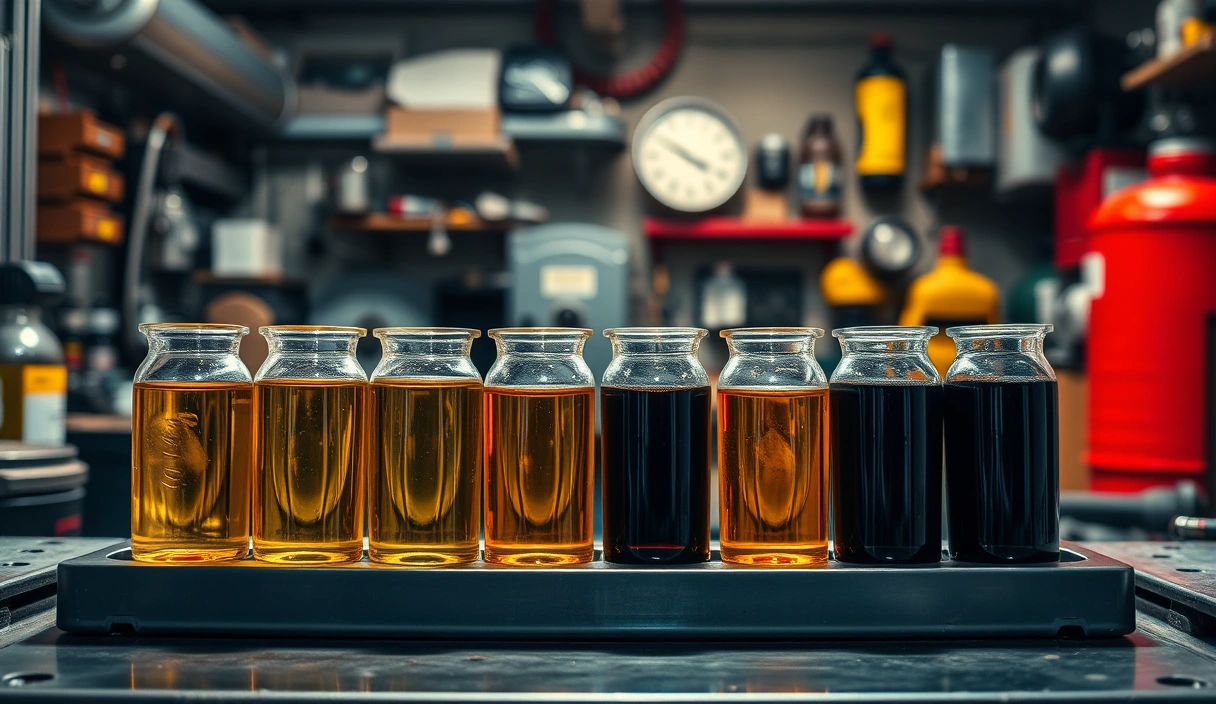
Use this motor oil color chart to read your dipstick — from normal amber to dangerous milky white — and know exactly when to stop driving.

Engine Knocking From Low Oil: What the Sound Means and What to Do
Engine knocking from low oil is rod knock or lifter noise from oil starvation. How to diagnose it, what it means, and whether it's salvageable.