ACEA C3 vs C4 vs C5: Which Spec Does Your European Car Need?
ACEA C3, C4, and C5 all look like the same family — they're not. SAPS limits, HTHS viscosity, and which European cars actually need each one.
Contents
Open the back page of a European car’s owner’s manual and you’ll usually see something like “ACEA C3” or “ACEA C5” listed under engine oil — sometimes with a viscosity grade, sometimes with an OEM approval code stacked on top. The C-category looks like one family of oils, and parts-counter conversations often treat them that way. They aren’t.
C3, C4, and C5 share the “low-SAPS” lineage, but they target different engine generations, different aftertreatment hardware, and — most importantly — different HTHS viscosities. Pick the wrong one and you either kill the DPF early or run an oil too thin to protect the bearings your manufacturer designed around.
Here’s what each spec actually requires and how to figure out which one belongs in your engine.
What the C in ACEA C-Category Means
ACEA — the Association des Constructeurs Européens d’Automobiles — sets the European engine oil sequences the way API sets US ones. The C-class designation stands for “Catalyst Compatible.” Every oil in the C family is formulated to keep particulates out of the Diesel Particulate Filter, the three-way catalyst, and the SCR system that modern Euro 6 vehicles depend on for emissions compliance.
The way they do that is by limiting SAPS — Sulfated Ash, Phosphorus, and Sulfur. Those three additive components are the ones that physically clog DPFs and poison catalysts over time. Higher-SAPS oils (the older A/B class, or US-market API SP without C-classification) deposit ash that the DPF can’t burn off during regeneration cycles. Run enough of them through a modern European diesel and the filter eventually loads up with non-combustible ash to the point where regeneration stops working. That’s a four-figure repair.
C-category oils were designed to prevent that. Where they differ is in how aggressive the SAPS limit is, and what HTHS viscosity range the formulation targets.
ACEA C3: The Mid-SAPS Workhorse
C3 is the most common spec on the European OEM approval lists. Roughly:
- Sulfated ash: maximum 0.8% by weight
- HTHS viscosity: minimum 3.5 cP at 150°C
- Phosphorus: capped (typically around 0.090%)
- Designed for: turbocharged gas and diesel engines with DPF/TWC, extended drain intervals, OEM specs like BMW Longlife-04, MB 229.51, VW 502.00/505.01
The HTHS minimum of 3.5 is the key number. HTHS — High Temperature High Shear viscosity — measures how thick the oil stays at 150°C under sustained mechanical stress. A 3.5-or-higher value means the oil has enough body to maintain a hydrodynamic film on bearings under hard load. That’s the spec European turbo bearings were engineered around.
The 0.8% sulfated ash limit is mid-range. It’s tight enough to give DPFs a long, predictable service life, but loose enough that the additive package can carry detergents, dispersants, and anti-wear chemistry that hold up across a 15,000-km drain interval.
C3 is what most BMW, Audi, VW, Mercedes, and Volvo gas and diesel models have called for since the late 2000s. If your manual just says “ACEA C3” with a viscosity grade, you’re in the most common camp. We have a full breakdown of what carries genuine ACEA C3 certification in the US market.
ACEA C4: Tighter SAPS, Same Body
C4 sits one step further down the SAPS scale. The key numbers:
- Sulfated ash: maximum 0.5% by weight
- HTHS viscosity: minimum 3.5 cP — same as C3
- Phosphorus: lower than C3
- Designed for: newer DPF-equipped engines where ash buildup is an even bigger concern, particularly Renault, some Mercedes, and certain heavy-duty diesel applications
The thing that confuses people: C4 is not a higher-performance version of C3. The HTHS body is identical. What’s different is the ash content — C4 cuts it nearly in half, which extends DPF service life in engines that run a lot of regen cycles or operate in stop-start conditions where regen completion is unreliable.
Renault is the OEM most associated with C4 — their RN0720 standard requires it for certain dCi diesels. Mercedes 226.5 also leans C4-territory. If your manual specifies one of those, a C3 oil isn’t a like-for-like substitute. The DPF will live a shorter life on C3.
The trade-off: with less of the SAPS additive package available, formulators have less room to build in detergent and anti-wear chemistry. C4 oils tend to cost more because the harder spec costs more to formulate.

ACEA C5: Low SAPS, Low HTHS — Built for Fuel Economy
C5 is the spec that breaks the pattern, and it’s the one most likely to cause a serious mistake if substituted incorrectly. The numbers:
- Sulfated ash: maximum 0.5% — same as C4
- HTHS viscosity: 2.6 to 2.9 cP — significantly thinner than C3 or C4
- Designed for: modern fuel-economy-tuned engines with very tight bearing clearances, OEM specs like Ford WSS-M2C950-A, some PSA/Volvo specifications
That HTHS range is the headline change. C5 is engineered to run thinner under load to reduce pumping and friction losses — which directly improves fuel economy. Manufacturers chasing CO₂ targets have moved to this spec for engines whose internals are designed for the lower film thickness.
Here’s the trap: the OEM that specifies C5 has machined bearing clearances, oil channels, and pump capacity around the lower HTHS. Substituting a C3 oil (HTHS 3.5+) into a C5-spec engine usually doesn’t cause immediate damage — modern oil is forgiving — but it costs measurable fuel economy and may interact poorly with the variable-displacement oil pump on engines that have one.
Substituting in the other direction — C5 into a C3 engine — is the more dangerous move. C5’s lower HTHS means less hydrodynamic film thickness on bearings designed for thicker support. On a high-load turbo engine spec’d for HTHS 3.5+, that’s a setup for premature bearing wear.
The rule: C5 is not a “newer, better” version of C3. It’s a different spec for different hardware. Don’t cross them.
How to Tell Which One Your Engine Wants
The owner’s manual is the only authoritative source. Look in the maintenance section, not the introduction. The relevant page usually has either:
- A specific OEM approval code (BMW Longlife-04, MB 229.51, VW 504/507, RN0720, Ford WSS-M2C950-A) — match this exactly, then verify the oil also lists the correct ACEA spec.
- An ACEA classification (C3, C4, or C5) — match the letter/number directly.
- Both, stacked — common on European cars; both must match.
If your manual just says “5W-30 fully synthetic” without a C-classification or OEM code, your engine doesn’t strictly need a C-spec oil. You’re probably looking at an older non-DPF design or a US-market vehicle. In that case API SP is fine.
If your manual lists multiple approval codes (e.g., “MB 229.51 / BMW LL-04 / VW 502.00”), you need an oil that carries all of them — and most ACEA C3 oils with these approvals will satisfy the requirement. The big European-spec brands (Mobil 1 ESP, Castrol EDGE Professional, Liqui Moly Top Tec, Pennzoil Platinum Euro L) are formulated specifically to stack approvals.
Reading the OEM approval list on a motor oil bottle is a separate skill — the marketing copy on the front rarely matches the technical spec sheet on the back.
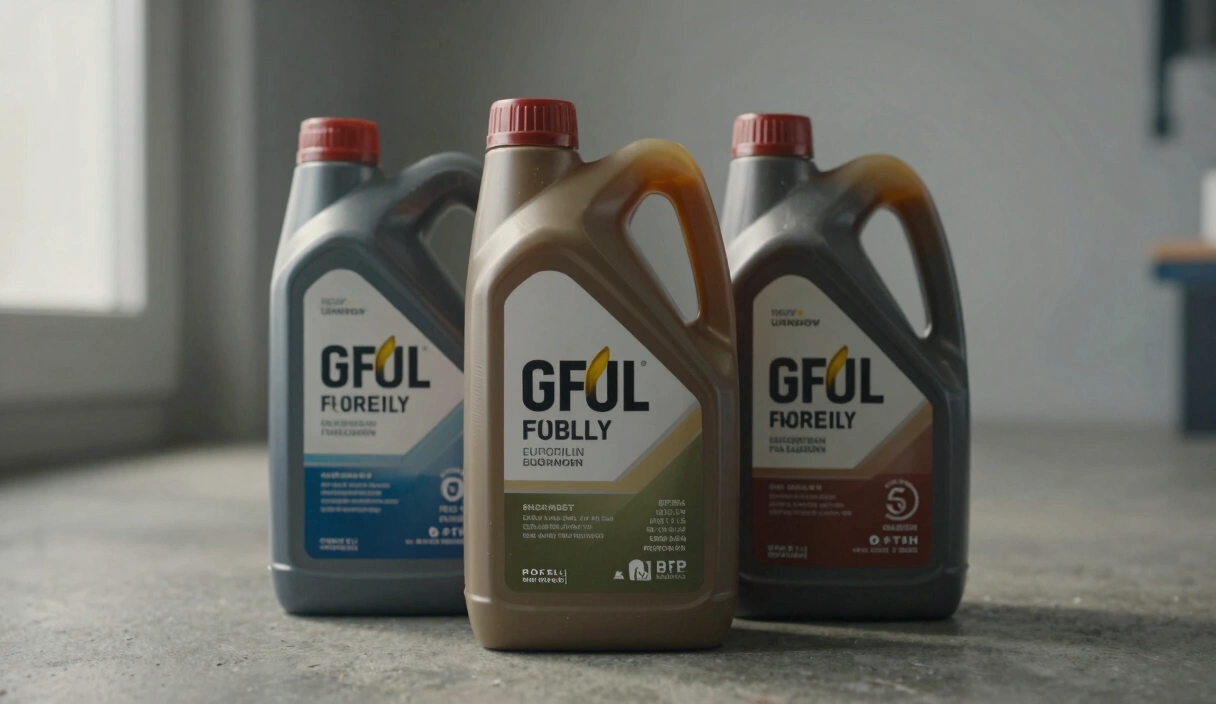
Below are three full-synthetic 5W-30s that meet ACEA C3 in their European-spec formulations. Verify the spec sheet for your specific bottle before purchase — the exact same product line sometimes ships in different formulations for different markets.
Three Full Synthetic 5W-30 Picks for ACEA C-Spec Vehicles


* Affiliate links. Prices last updated July 17, 2026.
Cross-Compatibility: When You Can (and Can’t) Substitute
The rules of substitution within the C-family come down to HTHS first, SAPS second:
- C3 → C3-spec engine: Yes, this is the design intent.
- C4 → C3-spec engine: Generally fine. C4 has tighter SAPS but the same HTHS. The engine gets cleaner exhaust treatment and the bearings see the same film thickness they were designed for.
- C3 → C4-spec engine: Risky long-term. Higher SAPS will accelerate DPF ash loading. The engine will run, but you’re shortening the filter’s service life with every change.
- C5 → C3 or C4-spec engine: Don’t do it. The lower HTHS leaves bearings underprotected under sustained high-load conditions.
- C3 or C4 → C5-spec engine: Causes measurable fuel economy loss and may stress oil pump components designed around lower viscosity, but typically won’t cause direct mechanical damage.
In short: you can step down on SAPS within the same HTHS class. You cannot safely change HTHS. The viscosity at operating temperature is what bearings care about, and C5 plays in a different range from C3 and C4.
Where the Marketing Gets Slippery
A few things to watch for on the bottle:
- “Suitable for ACEA C3” vs. “Meets ACEA C3”: “Suitable for” is marketing-speak that means the oil hasn’t been formally tested or approved against the spec. “Meets” or carrying a numbered approval (e.g., MB 229.51) means it has. The difference matters.
- The viscosity grade is independent of the ACEA class: A 0W-20 can technically meet C3 if formulated to clear the HTHS minimum, though most C3 oils land in 5W-30 or 5W-40. Don’t assume the SAE grade tells you the ACEA class.
- US-market vs. European formulations: Same brand, same product name, sometimes different spec sheets between markets. Castrol EDGE 5W-30 sold in the US doesn’t necessarily carry the same European approvals as Castrol EDGE Professional 5W-30 sold in Germany. Check the bottle.
- OEM approvals override ACEA classifications: If the owner’s manual specifies BMW Longlife-04, you’re looking for that approval first. ACEA C3 is implied (LL-04 requires it), but the BMW approval is the primary spec.
Bottom line: ACEA C3, C4, and C5 are not a quality ladder. They’re three different specs designed for three different hardware generations. The HTHS number is the one that matters most for what the bearings need. The SAPS limit is the one that matters most for how long the DPF lives. Both come from the manual, not from the marketing.
Related Articles
- ACEA C3 Motor Oil: What It Means and Which Oils Actually Meet It
- Best ACEA C3 Oils for BMW Longlife-04 (2026 Approved List)
- How to Read Motor Oil Labels: What Every Number and Code Means
Frequently Asked Questions
Is ACEA C5 better than ACEA C3?
No — they’re different specs for different engine designs, not a quality progression. C5 is engineered with lower HTHS viscosity (2.6–2.9 cP) for fuel economy on engines with tight bearing clearances. C3 (HTHS ≥3.5) is built for higher-load turbo engines that need a thicker hydrodynamic film. Each spec is “better” for the hardware it was designed around.
Can I use ACEA C4 oil in a car that calls for ACEA C3?
Generally yes. C4 has the same HTHS minimum as C3 (3.5 cP) but tighter SAPS limits (0.5% vs 0.8% sulfated ash). The bearings see the same film thickness, and the DPF gets cleaner exhaust treatment. The reverse — putting C3 in a C4-spec engine — accelerates DPF ash loading.
What is the difference between ACEA C3 and C4 in plain English?
Both have the same body (HTHS ≥3.5 cP, so they protect bearings the same way). C4 has roughly half the sulfated ash content of C3 — meaning less ash deposited in the DPF over time. C4 was created for newer diesel engines with tighter emissions hardware where ash buildup matters more.
Does my BMW with BMW Longlife-04 need ACEA C3?
Yes. BMW Longlife-04 requires ACEA C3 as the baseline plus additional BMW-specific test requirements. Any oil carrying genuine LL-04 approval will also be ACEA C3. The reverse isn’t always true — many ACEA C3 oils don’t carry the LL-04 stamp because they haven’t been through BMW’s separate qualification process.
Why does ACEA C5 have lower HTHS viscosity?
To improve fuel economy. Lower HTHS means less internal friction at operating temperature, which directly translates to lower pumping losses and better mpg. Manufacturers chasing CO₂ regulations have moved to C5 for engines whose bearing clearances and oil pump designs were re-engineered around the thinner film thickness.
Can I mix ACEA C3 and ACEA C5 oils?
You can — both are full synthetic, both are chemically compatible, neither will damage the engine. But the resulting blend’s HTHS will fall somewhere between the two source values, and you’ll lose the spec compliance of either. If your engine specifies one, use that one. Mixing should be reserved for top-up emergencies on a drive home.
Related Articles
ACEA C3 Motor Oil: What It Means and Which Oils Actually Meet It
ACEA C3 motor oil is the European standard for petrol and diesel engines with emissions equipment. What the spec requires and which oils carry it.

5W-30 vs. 5W-20: What Happens If You Use the Wrong Viscosity?
5W-30 vs. 5W-20: using the wrong viscosity grade isn't immediately dangerous but causes real long-term wear. Here's what changes and when it matters.

0W-20 vs. 5W-30: The Damage You Risk by Using the Wrong One
0W-20 vs. 5W-30: your owner's manual has the answer. Here's why modern engines specify 0W-20, when 5W-30 is correct, and what goes wrong if you deviate.