Dexos1 Motor Oil: What Every GM Owner Needs to Know
Dexos1 motor oil is GM's proprietary spec — not just API SP. Gen 3 is current. What the oil cap mandate means, why it matters, and which oils qualify.
Contents
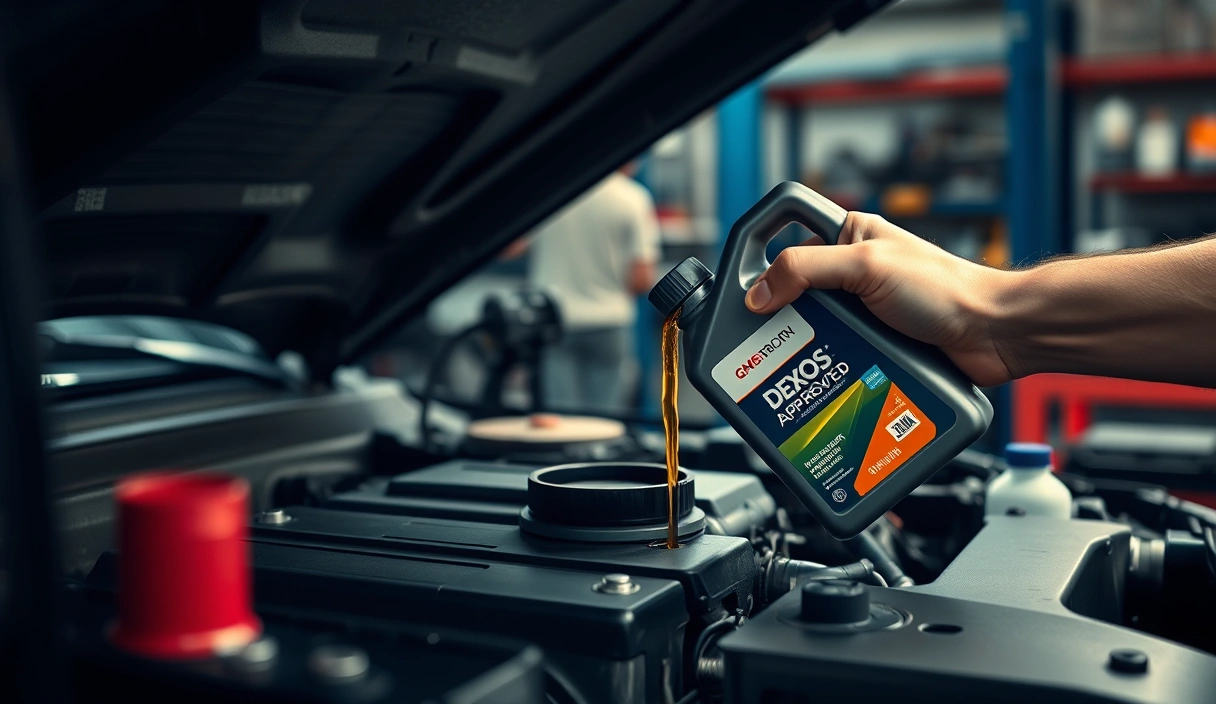
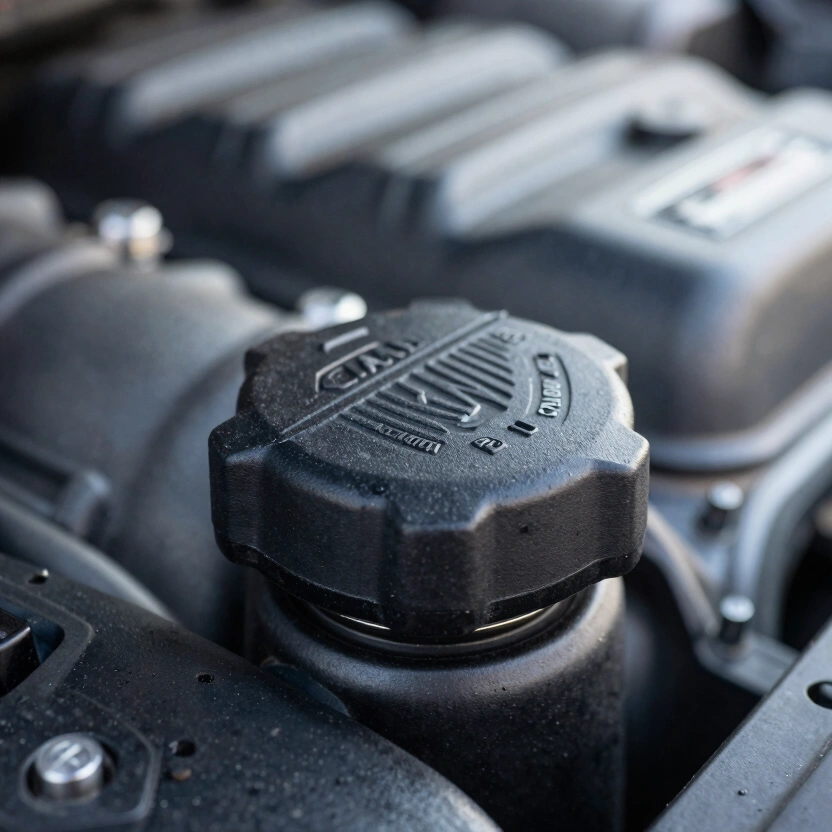
Pop the hood on any Chevrolet, Buick, Cadillac, or GMC built since 2011 and look at the oil filler cap. It doesn’t just say “5W-30.” It says “dexos.” Most owners have no idea what that requirement actually means — or whether the oil they’re currently running meets it.
Dexos1 motor oil isn’t just a marketing term. It’s a GM-specific proprietary specification that goes beyond the standard API rating system. Buying oil that says “API SP” is not enough for a modern GM engine if that oil isn’t specifically dexos1 licensed. Here’s what the spec actually requires, why it matters for your warranty, and how to tell if an oil qualifies.
What dexos1 Is (and Isn’t)
Dexos is General Motors’ proprietary engine oil specification — a set of performance requirements above and beyond what API SP mandates. GM licenses the dexos name to oil manufacturers who meet these additional requirements and pay a licensing fee to use the dexos trademark.
Think of it like this: API SP is the federal minimum for gasoline engine oil. Dexos1 is GM’s internal standard that layers additional test requirements on top of API SP. An oil can pass every API SP test and still fail a dexos1 test — particularly the supplemental turbocharger protection and oxidation stability requirements that GM added based on its specific engine designs.
What dexos1 does NOT mean:
- It does not mean the oil is made by GM
- It does not mean you have to buy oil at the GM dealership
- It does not mean any “API SP” oil qualifies automatically
What dexos1 does mean:
- The oil passed GM’s proprietary test battery
- The manufacturer paid to license the dexos trademark
- The oil meets GM’s specific requirements for its turbocharged direct-injection engines
The oil cap on GM vehicles says “dexos” because GM engineered those engines to be lubricated by oil meeting that specification — not just any oil that cleared the API minimum bar.
The Generation Progression: Gen 1 → Gen 2 → Gen 3
Dexos1 has evolved through three generations as GM’s engine lineup shifted toward more turbocharged, direct-injection designs.
dexos1 Gen 1 (2011): The original specification, introduced when GM began requiring the dexos standard. Required API SN minimum. Addressed early baseline requirements for GM’s naturally aspirated and first-generation EcoTec turbocharged engines.
dexos1 Gen 2 (2015): Added API SN RC (Resource Conserving) compliance, stricter oxidation stability testing, and improved detergent requirements. Gen 2 responded to field experience with sludge and deposit formation in earlier EcoTec engines.
dexos1 Gen 3 (2021 — current): The current standard, required for GM vehicles from model year 2021 forward. Gen 3 requires API SP compliance and adds:
- Updated LSPI (Low Speed Pre-Ignition) protection aligned with API SP’s Sequence IX test
- Timing chain wear testing (Sequence X) for Gen 3 EcoTec and Ecotec3 engines
- Stricter oxidation stability requirements at higher temperature ranges
- Improved cleanliness standards for GDI fuel system components
Backward compatibility: Gen 3 is backward compatible — a Gen 3 licensed oil meets Gen 2 and Gen 1 requirements. If your older GM vehicle specified Gen 2, using Gen 3 licensed oil is fine. The reverse is not true: using Gen 1 or Gen 2 oil in a 2021+ vehicle that specifies Gen 3 technically puts you outside the GM specification.
Why It Matters for Your Warranty
GM’s warranty position: the Magnuson-Moss Warranty Act prevents manufacturers from requiring you to use their branded oil as a condition of warranty coverage. But dexos1 is not a brand requirement — it’s a specification requirement. GM can require that the oil you use meet its published specification, and dexos1 is that specification.
In practical terms: if you experience an engine failure and the oil in your GM vehicle at the time of failure is not dexos1 licensed, GM has grounds to investigate whether non-approved oil contributed to the failure. The burden shifts to the owner to demonstrate the unapproved oil wasn’t a factor. For something like turbocharger or timing chain failure — exactly the areas dexos1 Gen 3 specifically addresses — that’s a difficult position to defend.
Running non-dexos API SP oil is unlikely to damage a healthy engine in normal driving. But the warranty exposure is real, especially for high-cost failures in turbocharged Gen 3 EcoTec engines where dexos1’s specific test requirements are most relevant.
The straightforward approach: buy dexos1 Gen 3 licensed oil. It’s not a premium product — it’s available from all major brands at standard full synthetic prices. There’s no reason to take the warranty risk for a couple of dollars of savings.
How to Tell If an Oil Is Licensed
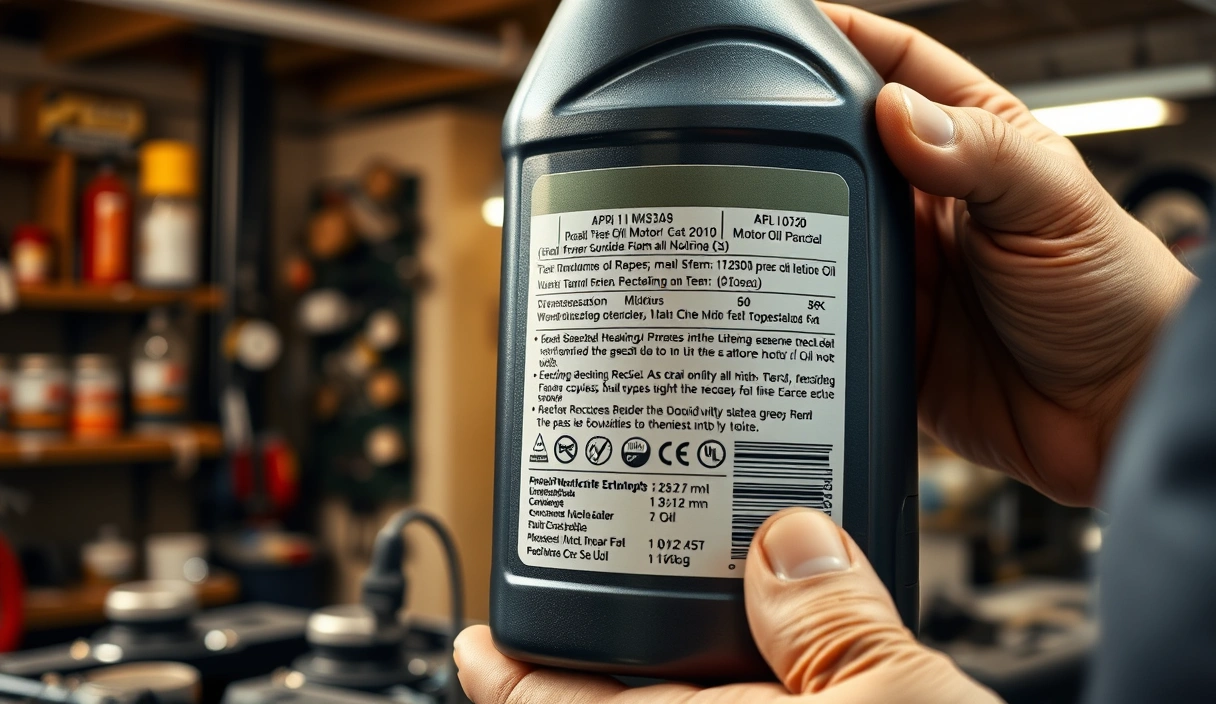
The dexos1 license mark appears on the bottle label — usually on the back near the API donut or within the specification list. What you’re looking for: the phrase “dexos1 Gen 3” (or “dexos1®” with Gen 3 specified) followed by a GM license number.
What does NOT qualify:
- “Meets dexos1 specifications” — this phrase is a common workaround by unlicensed oil manufacturers. “Meets” is a self-reported claim, not a licensed authorization. Only the licensed trademark confirms actual GM testing and licensing.
- API SP certification alone — passes the API floor, not the supplemental GM tests
- Older “dexos1 Gen 2” licensing — acceptable for older GM vehicles, not for 2021+ models
How to verify: GM maintains a published list of licensed dexos1 Gen 3 oils on its supplier portal. For day-to-day purchasing, the major full synthetic brands carry the license on their standard 5W-30 and 0W-20 formulations. When in doubt, look for the explicit “dexos1 Gen 3” text on the back label, not just “API SP.”
Which Brands Are Licensed for dexos1 Gen 3
Most major consumer full synthetic brands carry the Gen 3 license in standard GM grades (5W-30, 0W-20):
Mobil 1: Mobil 1 Full Synthetic and Extended Performance both carry dexos1 Gen 3 licensing in 5W-30 and 0W-20. This is the most commonly referenced dexos1-approved oil among GM enthusiasts and dealership technicians. Mobil 1 was one of the first aftermarket brands licensed for Gen 3.
Castrol EDGE: Castrol EDGE Full Synthetic 5W-30 carries dexos1 Gen 3 licensing. Check the back label — the licensing text is present on US-market formulations.
Pennzoil Platinum: Pennzoil Platinum Full Synthetic 5W-30 carries dexos1 Gen 3 approval. Pennzoil’s GTL (Gas-to-Liquid) base stock meets the Gen 3 purity requirements.
Valvoline Advanced Full Synthetic: The 5W-30 formulation carries dexos1 Gen 3 licensing. Valvoline’s mid-tier full synthetic line meets the spec at a price point generally below Mobil 1 and Castrol EDGE.
ACDelco: GM’s house brand is licensed, but ACDelco is typically only price-competitive at the dealership. The major aftermarket brands are typically less expensive per change.
For context on how these brands compare on standard full synthetic merits outside the dexos1 requirement, the best synthetic motor oil guide covers the category. For understanding the API SP certification these oils also carry, the API SP motor oil guide explains what that certification actually tests.
dexos1 Gen 3 Licensed Full Synthetics


* Affiliate links. Prices last updated March 6, 2026.

dexos1 vs. dexos2: What’s the Difference?
A common point of confusion: dexos2 is a completely separate specification for diesel engines, primarily used in European GM/Opel/Vauxhall vehicles. Dexos2 meets ACEA C3 standards and is designed for diesel particulate filter (DPF) equipped engines common in European markets.
US GM owners (Chevrolet, GMC, Buick, Cadillac gasoline engines): you need dexos1. Dexos2 is not applicable and not interchangeable.
European GM/Opel/Vauxhall diesel owners: you need dexos2, not dexos1.
The two specs serve completely different engine types in different markets. If you’re reading this for a US gasoline GM vehicle, dexos2 is not relevant to you.
Related Articles
Frequently Asked Questions
Can I use any API SP oil in my GM vehicle instead of dexos1?
API SP protects the engine at the certified baseline, but using non-licensed oil places you outside GM’s published specification. In the event of turbocharger or timing chain failure, GM can use the non-approved oil as grounds to complicate a warranty claim. The cost difference is minimal. Use the licensed oil.
Is dexos1 Gen 3 the same as API SP?
No. API SP is a required component of dexos1 Gen 3 — an oil must pass API SP to receive Gen 3 licensing — but Gen 3 adds supplemental GM-specific test requirements beyond what API SP mandates. An oil can be API SP certified and still fail the supplemental dexos1 Gen 3 tests. The licensing mark on the bottle is the only confirmation that both the API SP floor and the GM supplemental requirements are met.
Does my GM vehicle really need dexos, or is it optional?
GM engineered those engines around the dexos specification. Operating outside it is your choice, but it shifts warranty responsibility to you for any oil-related failures. The specification exists for a reason specific to those engine designs.
Does dexos1 Gen 3 oil cost more than regular full synthetic?
Not significantly. The major brands (Mobil 1, Castrol EDGE, Valvoline Advanced, Pennzoil Platinum) carry the dexos1 Gen 3 license on their standard full synthetic oil in 5W-30 and 0W-20 grades. You’re buying the same product you’d buy anyway for a modern gasoline engine — you’re not paying a special premium for the dexos licensing. Shop by brand and per-quart price as you normally would, then confirm the Gen 3 license on the label.
What happens if I accidentally use dexos1 Gen 2 oil in a 2022 GM vehicle?
Gen 2 oil is close to Gen 3 in formulation but doesn’t meet all of Gen 3’s supplemental test requirements. An occasional fill with Gen 2 when Gen 3 is unavailable is unlikely to cause immediate damage to a healthy engine. But consistently running Gen 2 in a 2021+ vehicle that specifies Gen 3 means operating outside specification for that engine’s design. Get back to Gen 3 at the next oil change.
Related Articles

Motor Oil Color Chart: What Each Color Tells You About Your Engine
Use this motor oil color chart to read your dipstick — from normal amber to dangerous milky white — and know exactly when to stop driving.
Best Motor Oil for GDI Engines: What LSPI Protection Actually Means
Best motor oil for GDI Engines requires API SP with LSPI protection. Here's what that means, which oils qualify, and what to avoid.
API SP Motor Oil Ratings: SP, SN Plus, and ILSAC GF-6 Explained
API SP replaced SN Plus in 2020. ILSAC GF-6A and GF-6B cover newer thin-oil engines. Here's which certification your car actually needs and why.