
Extended Oil Change Interval: How Far Can You Actually Push It?
Extended oil change intervals are real for full synthetic on modern engines. Here's what the data shows, when to push it, and when not to.
Contents
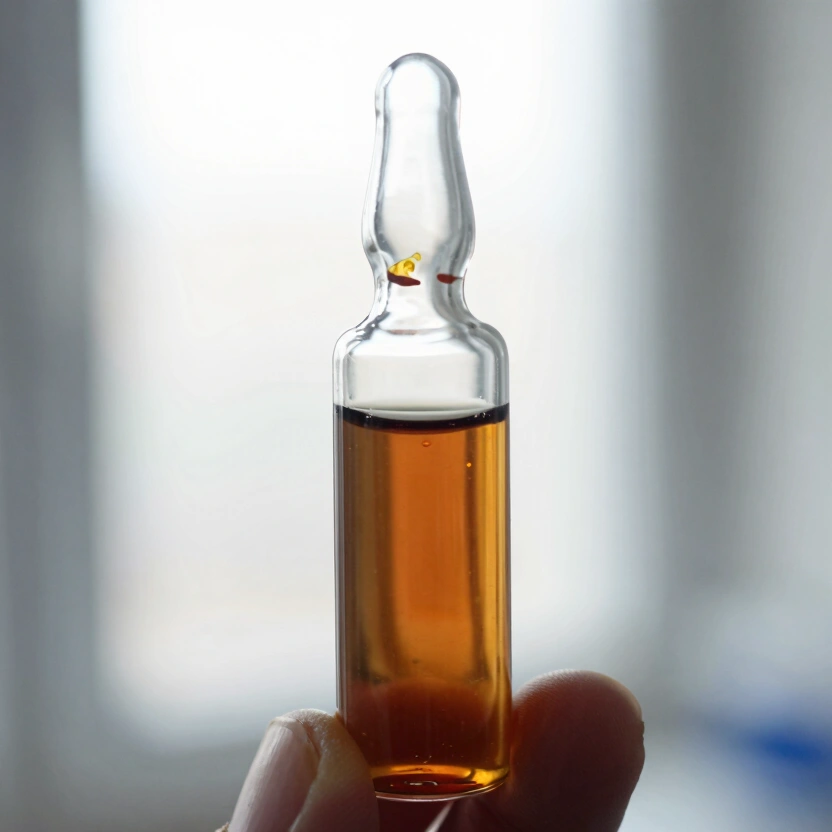
Blackstone Laboratories — the most widely used independent oil analysis lab in the US — processes tens of thousands of used oil samples annually. Their data consistently shows full synthetic oil samples submitted at 10,000–12,000 miles with additive packages still in serviceable condition. The oil wasn’t done. The interval was.
That’s the foundation for the extended oil change interval argument: on modern vehicles with modern full synthetic oil, the traditional change schedule is more conservative than the chemistry actually requires. The question isn’t whether extended intervals are possible — it’s when they’re safe, and when the conditions that make them safe don’t apply.
What “Extended” Actually Means
The terminology varies. An extended oil change interval typically means anything beyond the conventional 3,000–5,000 mile schedule:
- 7,500–10,000 miles: Standard recommendation for most full synthetic oil in normal driving — this isn’t technically “extended” for modern vehicles, it’s the OEM interval
- 10,000–15,000 miles: Extended interval for full synthetic in genuinely light-duty conditions
- 15,000+ miles: Extended-drain full synthetic territory (Mobil 1 Extended Performance, Pennzoil Ultra Platinum) with manufacturer interval ratings to match
The base case: if your owner’s manual specifies a 7,500 or 10,000 mile interval for full synthetic, you’re already at a mainstream extended interval by the 3,000-mile reference point. Running to your OEM interval isn’t “pushing it” — it’s following the manufacturer’s engineering.
For context on standard interval recommendations by oil type and driving condition, the oil change frequency guide covers the full range.
When Extended Intervals Are Safe
Running a longer interval than standard isn’t arbitrary risk-taking — it’s grounded in specific conditions that either the oil or the operating profile needs to support.
Full Synthetic Oil as a Prerequisite
Conventional oil has a legitimate 3,000–5,000 mile service life. The oxidation chain reaction proceeds faster in Group I/II base stocks, and the additive package depletes more rapidly. Conventional oil at 7,000 miles is past its reliable service life in most engines under normal use. Extended intervals do not apply to conventional oil — that’s not a guideline, it’s chemistry.
Full synthetic’s Group III or Group IV base stocks resist oxidation longer and retain the antioxidant package further into the interval. The molecular structure difference is the reason extended intervals exist, not marketing.
Genuinely Normal Driving Conditions
“Normal” driving in manufacturer terms means: trips over 10 minutes (long enough for the engine to reach operating temperature and burn off combustion moisture), no sustained towing or heavy hauling, no extreme temperature conditions, and primarily highway or mixed driving rather than stop-and-go city commuting.
If most of your driving is short trips — under 5 miles per trip, engine never fully warming up — the oil degrades on a chemistry timeline faster than the odometer suggests. Combustion moisture accumulates. Acids build up. The mileage looks fine. The oil chemistry isn’t. Short-trip drivers should not run extended intervals regardless of oil type.
Oil Life Monitor Confirmation
Post-2010 vehicles with an Oil Life Monitor (OLM) have an on-board system tracking the actual degradation conditions — RPM, temperature, cold-start cycles, drive cycle patterns. The OLM gives personalized interval guidance based on how the oil was actually stressed, not a generic schedule.
If your OLM shows 40% remaining at 9,000 miles, you have 40% of its estimated service life left. That’s not a reason to change it. Change when the OLM signals 5–10% or at 12 months, whichever comes first. The oil life monitor accuracy guide explains how the algorithm works and when to trust it.

When Extended Intervals Are Not Safe
Severe Service Conditions
Every manufacturer defines severe service in the owner’s manual — it typically includes: frequent trips under 5 miles, sustained towing or hauling, dusty or dirty operating environments, extended idling, and operation in extreme ambient temperatures. If any of these apply regularly, you’re in severe service and the normal-schedule interval applies, not the extended one.
Severe service accelerates oil degradation in ways that outpace what the chemistry can absorb at extended mileage. The oil life monitor accounts for some of these — cold start cycles, for example — but sustained towing loads can push degradation faster than the algorithm expects. Conservative judgment applies.
High-Mileage Engines with Elevated Consumption
An engine that consumes oil — adding a quart between changes — is a different scenario than a tight engine that loses nothing. Oil consumption means the oil you’re running at 9,000 miles is not the same volume or composition as when you started. You’ve been topping off, diluting the additive package, and running lower volume at the end of the interval than the beginning.
For engines burning a quart or more per 5,000 miles, shorten the interval rather than extending it. The OLM doesn’t know you added a quart of fresh oil at 4,000 miles — it’s still counting from the last reset.
After Any Engine Abnormality
Coolant in the oil, recent overheating, an oil pressure event, or a known leak that was repaired — change the oil before extending intervals. You’re starting fresh after any of these scenarios, not continuing the existing interval clock.
Validating Extended Intervals with Used Oil Analysis
The most concrete way to know whether your specific engine in your specific driving conditions can support a longer interval: send a sample to a used oil analysis lab.
Used oil analysis tests the sample for:
- Wear metals (iron, copper, aluminum, lead) — elevated levels indicate abnormal wear rates
- Additive depletion (zinc, phosphorus, boron, molybdenum) — how much of the antioxidant and anti-wear package remains
- Contaminants (sodium for coolant, silicon for dust/dirt ingestion, fuel dilution)
- Viscosity at 100°C — whether the oil has thinned below its rated grade
Blackstone Laboratories charges $35–45 per sample. The report gives you objective data on whether your oil had remaining useful life at the mileage you submitted. Running two consecutive intervals — submitting at 10,000 miles and at 12,000 miles — shows whether the degradation rate accelerates or stays consistent.
If two consecutive samples show strong additive retention and normal wear metals, your engine tolerates that interval. If additive depletion spikes after 9,000 miles, that’s where your practical limit is.
This is the honest answer for anyone who wants to push intervals beyond the standard manufacturer recommendation: get data on your specific vehicle before committing to the extended schedule.
What Extended-Drain Oil Products Actually Claim
Several full synthetic products carry specific extended drain interval ratings:
Mobil 1 Extended Performance: Rated to 20,000 miles under certain conditions. Mobil’s claim is based on their own testing protocol. The 20,000-mile rating is conditional — light-duty driving, moderate temperatures, no severe service. Most drivers using this product realistically run 12,000–15,000 miles.
Pennzoil Ultra Platinum: Rated to 15,000 miles per Pennzoil’s testing. GTL (Gas-to-Liquid) base stock with higher natural viscosity index and oxidation resistance than standard Group III synthetic.
Amsoil Signature Series: 25,000-mile claim per Amsoil’s testing protocol (using their oil analysis confirmation program). The claim is specific to their Signature Series line, not their consumer-tier products.
Worth noting: these claims are manufacturer-conducted, not independently audited by a third party. Used oil analysis at your actual operating conditions remains the verification tool that actually tells you what’s happening in your engine.
Related Articles
- Best Synthetic Motor Oil: Top Full Synthetic Picks Compared
- How Often Should You Change Your Oil? (The Real Answer)
- Oil Change for Diesel Trucks: Intervals, Oil Types, and What’s Different
Frequently Asked Questions
Is it safe to go 10,000 miles between oil changes?
For modern vehicles (2010+) running full synthetic oil rated for that interval, yes — if the owner’s manual supports it and driving conditions are normal. Many manufacturers specify 10,000-mile intervals for full synthetic from the factory. If your OLM shows remaining life at 10,000 miles and your oil type is a standard full synthetic, going to the OLM’s signal is the appropriate approach.
Can extended oil change intervals damage your engine?
In the right conditions — full synthetic, normal driving, OLM-monitored — no. Extended intervals on the wrong conditions — conventional oil, short-trip driving, severe service — can lead to oil degradation that causes sludge and accelerated wear over time. The interval isn’t the only variable; what matters is whether the oil still has protective capability at that mileage.
What’s the longest you can go without changing oil?
With an extended-drain full synthetic (Mobil 1 Extended Performance, Pennzoil Ultra Platinum, Amsoil Signature Series) in genuinely light-duty normal driving: 15,000–20,000 miles per manufacturer ratings. In practice, many extended-interval advocates using used oil analysis run 12,000–15,000 miles as a reasonable ceiling with confirmation from sample data. The 12-month time limit applies regardless of mileage.
Does extending oil change intervals void warranties?
Not by itself. The Magnuson-Moss Warranty Act prevents manufacturers from requiring specific brands or service intervals beyond what the owner’s manual specifies. If your manual lists a 10,000-mile interval, following it doesn’t void your warranty. If you’re running beyond the manual-specified interval on a non-OEM-approved oil type, that’s where warranty exposure increases.
How does an oil change interval affect engine life?
Fresh oil within its service life maintains the lubricating film, keeps combustion byproducts in suspension, and controls oxidation. Oil significantly past its service life loses film strength, allows metal-to-metal contact, and stops suspending contaminants effectively. The cumulative effect of repeatedly running past the oil’s service life is accelerated bearing wear and sludge accumulation — measurable in oil analysis data and engine teardown results. The interval that keeps oil within its service life is the right interval.
Related Articles
The 3,000-Mile Oil Change Is Dead. Here's the Truth
The 3,000-mile oil change myth costs drivers money without protecting their engines. Here's what the real interval is — and why the sticker lies.
Engine Oil Sludge: Causes, Symptoms, and How to Fix It
Engine oil sludge can kill your engine silently. Learn what causes it, how to spot it, and the exact steps to flush and prevent it for good.

Supertech Motor Oil Review: What the Certifications Actually Say
Supertech Motor Oil is a Walmart private label made by Warren Distribution. What the API SP certification means and when it's worth buying.