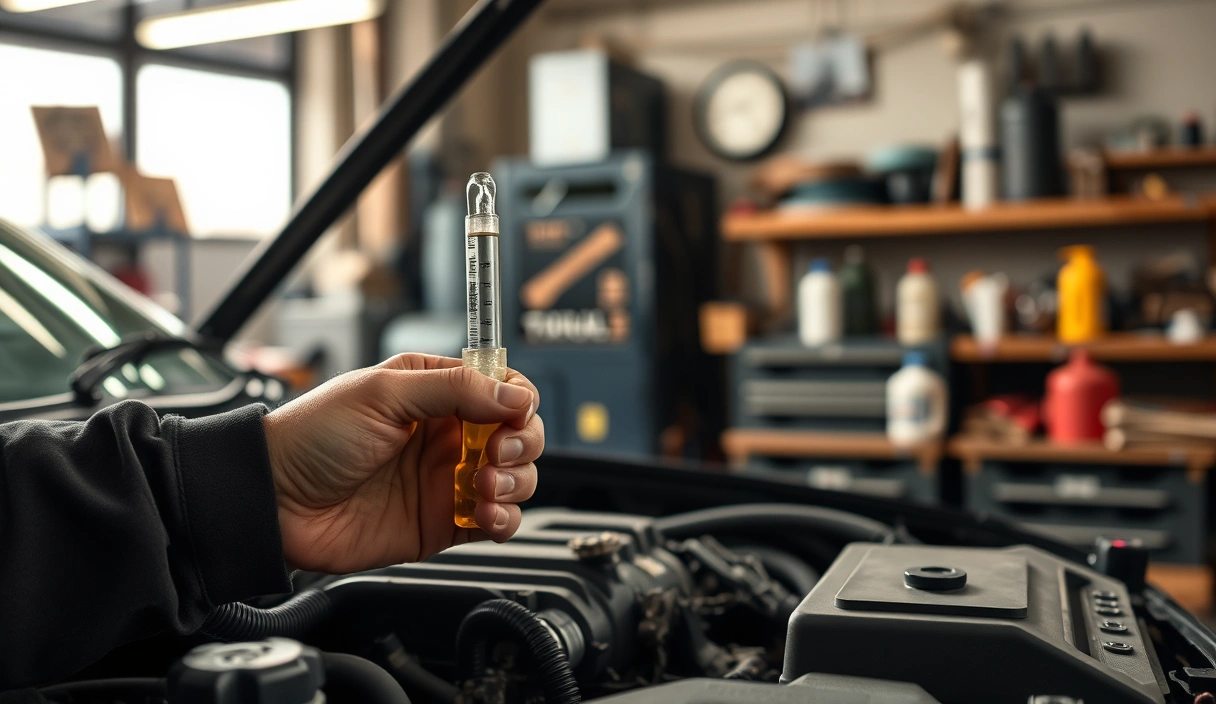
Overfilling Engine Oil: What Happens and How to Fix It
Overfilling engine oil causes oil aeration and seal damage. Here's what happens mechanically, how much is too much, and how to drain the excess safely.
Contents
You pull the dipstick after an oil change and the level reads above MAX — maybe a full inch over the line. The instinct is to think more oil means more protection. It doesn’t. Overfilling engine oil creates a specific mechanical problem that can damage the engine faster than running low.
Here’s what happens, how much over is actually concerning, and how to fix it.
What Happens When You Overfill Engine Oil
The Oil Pan sits at the bottom of the engine and holds the oil reserve. The oil pump draws from the pan, pressurizes it, and sends it through the engine’s passages to the bearings and valve train. After lubricating the engine, oil drains back into the pan by gravity.
The Crankshaft rotates through the bottom of the engine. On a correctly filled engine, the oil level in the pan sits below the crankshaft’s rotation path, with clearance between the spinning crankshaft and the oil surface.
When you overfill the oil, the level in the pan rises until the crankshaft dips into it. The rotating crankshaft churns the oil at high speed, whipping air into it — the same way a hand mixer aerates cream. The result is Oil Aeration: the oil becomes a froth of oil and air bubbles.
Why aerated oil fails: The oil pump picks up this aerated mixture instead of solid oil. Aerated Motor Oil compresses — air bubbles collapse under bearing load — and can’t maintain the continuous pressurized film that separates bearing surfaces. The same hydrodynamic film that fails from low pressure also fails from aeration. The damage mechanism is identical: metal contacts metal.
Oil aeration also reduces effective oil pressure on the gauge. Overfilled engines can trigger the oil pressure warning light not from insufficient oil volume, but from oil quality degraded by aeration.
How Much Over Is Too Much?
The margin matters significantly.
1/4 to 1/2 quart over MAX: Generally acceptable. The dipstick MAX mark includes some buffer, and a small overfill in a typical 4–6 quart engine doesn’t raise the level enough to contact the crankshaft path. Worth monitoring but not an emergency — it will burn off gradually.
1 full quart over MAX: This is where the concern becomes real. On many engines, a quart over MAX is enough to put the oil level into the crankshaft’s rotation zone. The crankshaft starts aerating the oil at this level in a significant number of engine designs. Drain a quart.
More than 1 quart over: Fix it now. Don’t drive the car more than necessary to get it to a position where you can drain oil. Significant aeration at this level is certain.
The specific margin depends on engine design — some engines have more clearance above MAX than others. The rule of thumb: anything over a quart past MAX warrants drainage; anything under a half-quart past MAX can be monitored but isn’t urgent.
Symptoms of an Overfilled Engine
Blue or white smoke from the exhaust: Excess oil gets into combustion chambers through the PCV system or past seals and burns with the fuel charge. Blue-tinged smoke is the classic signature.
Foamy or frothy oil on the dipstick: Pull the dipstick and look at the oil texture. Healthy oil is a smooth, consistent liquid. Aerated oil looks like a milkshake — foam or small bubbles mixed into the oil. This is distinct from the milky appearance of coolant contamination.
Oil pressure warning light: Aerated oil reduces effective pressure. If the warning light comes on shortly after an oil change, overfill is one of the causes to check — along with the more common culprit of a filter that wasn’t fully tightened.
Oil leaks from seals: Excess oil increases crankcase pressure. Seals are designed to handle normal operating pressure differentials — excess pressure from overfill pushes against valve cover gaskets, rear main seals, and other Engine Seal components, causing seeping or active leaks.
Rough idle or misfires: Oil getting into the combustion chamber from an overfill fouls spark plugs and disrupts the combustion charge.
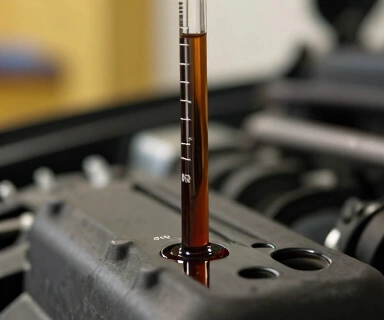
How to Fix an Overfilled Engine
Option 1: Drain from the drain plug
The most complete fix — drop the oil drain plug and let excess oil drain until the level reads correctly on the dipstick. This requires the usual drain pan, socket wrench, and patience. Check the level frequently as it drains — easier than re-adding oil if you drain too much.
If you’ve already driven on the overfilled oil, change the oil completely. Aerated oil has already had its film integrity compromised; the damaged oil should come out along with the excess.
Option 2: Oil extraction pump
An extraction pump (sometimes called a fluid transfer pump or oil extractor) draws oil out through the dipstick tube without needing to drain from the bottom. Useful if you don’t have access to the drain plug easily or want to remove a precise volume. Available at auto parts stores for $15–30 and at most oil change shops. Draw small amounts out and check the dipstick frequently until you reach the correct level.
Option 3: Professional drain
If you’re not comfortable doing either, any oil change shop can drop a small amount of oil to correct the level for a minimal fee — less than the cost of a full change. Tell them the approximate overfill amount.
For reference on reading the dipstick correctly after draining, the how to check engine oil guide walks through the proper reading procedure — including letting oil drain back to the pan before reading.
Preventing Overfill
Measure before adding. When doing an oil change, add the specified capacity per your owner’s manual and then check the dipstick before starting the engine. Adding the full specified amount assumes a completely dry engine — if there’s residual oil in passages, you may add a bit less.
Check with the engine level. Dipstick readings are accurate on a level surface. On a slope, the reading doesn’t reflect actual pan level.
One quart at a time when topping off. When adding oil between changes, add a half-quart, wait a minute for it to drain to the pan, check the dipstick, then add more if needed. Dumping a full quart in at once without checking is how tops-offs become overfills.
Full Synthetic Oils With the Right Fill Volume


* Affiliate links. Prices last updated March 6, 2026.
Related Articles
- How to Check Engine Oil: Level, Color, and What You’re Looking For
- How Often Should You Change Your Oil? (The Real Answer)
- Best Synthetic Motor Oil: Top Full Synthetic Picks Compared
Frequently Asked Questions
Is it bad to overfill engine oil by half a quart?
A half-quart over MAX is typically in the acceptable zone — most dipstick MAX marks include buffer, and the oil level in most engines won’t reach the crankshaft rotation path at this level. It will burn off gradually over time. If your next oil change is coming up soon, it’s not worth draining. If you’re far from a change interval, draining it now is the cleaner approach.
Can overfilling engine oil damage the engine?
Yes, if the overfill is enough to cause crankshaft contact with the oil. The crankshaft aerates the oil, creating a frothy mixture that can’t maintain bearing film pressure. This leads to the same bearing wear as running low on oil. Significant aeration over sustained driving is a real damage risk, not just a theoretical concern.
Will overfilled oil cause a check engine light?
Possibly, indirectly. If the overfill causes oil to enter the PCV system and burn in the combustion chamber, it can contaminate the oxygen sensor or catalytic converter and trigger a check engine light. A misfiring cylinder from oil-fouled spark plugs also triggers a light. The oil pressure warning light specifically can activate if aeration degrades effective pressure.
How do you know how much oil your engine takes?
The owner’s manual specifies engine oil capacity — typically listed as the capacity with filter change. The dipstick has MIN and MAX marks that represent approximately 1 quart of range between them in most engines. The correct fill is MAX on the dipstick, not a specific volume number — because some oil always remains in passages and the filter.
Can you drive with slightly too much oil?
For a modest overfill (under half a quart), yes — it will burn off over time without significant risk. For a full quart or more over MAX, the answer is no. Stop driving when safe, check the level, and drain the excess before continuing. The mechanical risk from significant aeration is real.
Related Articles
Engine Oil Sludge: Causes, Symptoms, and How to Fix It
Engine oil sludge can kill your engine silently. Learn what causes it, how to spot it, and the exact steps to flush and prevent it for good.

How to Check Engine Oil: Level, Condition, and What to Look For
Checking engine oil takes two minutes and tells you everything about your engine's health. Here's exactly how to read the dipstick and what to look for.

Engine Oil Viscosity Explained: What 0W-20 Actually Means
0W-20, 5W-30, 10W-40: the numbers on your oil cap follow a specific system. Here's what each part means, why it matters, and how to read it.