Signs It's Time to Change Your Oil (Don't Trust the Sticker)
The windshield sticker isn't calibrated to your oil or engine. Here's how to actually tell when your motor oil needs changing — and when to change sooner.
Contents
The orange sticker in the windshield corner says 3,000 miles. Or maybe the last shop reset it to 5,000. Neither number has anything to do with the oil in your engine, what grade it is, how old your car is, or how you drive. The shop set it to bring you back. That’s what stickers are for. (The 3,000-mile oil change myth explains exactly how that interval got invented and why it no longer applies to modern vehicles.)
The actual signals that tell you when to change your motor oil fall into two categories: the ones on your dashboard and the ones you can check yourself in two minutes with a dipstick.
The Dashboard Signals
Oil Life Monitor
Most vehicles built after 2008 have an Oil Life Monitor (OLM) — sometimes called Oil Life Indicator, Maintenance Minder, or similar. The percentage it shows isn’t a measurement of what’s physically in the oil. It’s a calculation based on engine RPM, temperature cycles, and driving pattern data.
When it reads 15%, that’s the system telling you to schedule a change soon. At 0% or “Change Oil Now,” the algorithm has determined you’ve used up the buffer the oil was designed to operate within.
For most modern vehicles with the correct oil type and grade, the OLM recommendation is reasonably accurate. The catch: it was calibrated for full synthetic oil at the OEM-specified grade. If a previous owner (or a quick-lube shop) put in conventional oil and the OLM was reset, it may reach the mileage recommendation while the oil is actually more degraded than a synthetic would be at the same point.
Rule: Follow the OLM recommendation if you know the correct oil type has been in the engine. Add a visual check (see below) if you’re uncertain about the last change.
Oil Pressure Warning Light
The oil pressure warning light — usually an oil can symbol — is not a “time to change your oil” signal. It’s an emergency signal. If it illuminates while driving, pull over as soon as safely possible and shut the engine off. A lit oil pressure light means the engine is not receiving adequate oil pressure right now, not that the oil is old.
Causes include critically low oil level, a failed oil pump, or a pressure sensor failure. None of these are resolved by a normal oil change — they require diagnosis first.
The Two-Minute Dipstick Check
Pull the dipstick, wipe it clean, reinsert fully, pull again, and hold it horizontally in good light. You’re checking two things.
Oil Level
The oil should sit between the MIN and MAX marks. Low oil — below MIN — means either normal consumption (some engines consume a quart per 3,000 miles at normal operating condition) or a leak. Add oil to bring it back into range. Running low accelerates the degradation of the oil that remains, because the smaller volume of oil handles the same thermal and mechanical load.
Oil Color and Condition
Fresh oil is amber to golden. As oil ages and picks up combustion byproducts, it darkens. Darkening alone doesn’t mean the oil needs changing — full synthetic darkens faster than conventional because it’s better at suspending soot particles.
What actually warrants closer attention:
Very dark and gritty — Rub a drop between your fingers. If you feel particulate matter, the oil has accumulated debris beyond what a normal filter would catch. Change it.
Milky or foamy — A beige, milky, or frothy appearance on the dipstick indicates coolant contamination. This is a head gasket symptom or cooling system issue, not a “the oil is old” symptom. The engine needs diagnosis before driving further.
Thin and watery, smells like gasoline — Fuel dilution. This happens with a lot of very short trips (less than 5 miles) where the engine never fully warms up. The oil doesn’t fully combust the fuel that enters the crankcase. Change it and reconsider your driving pattern if short trips dominate.
The Situations That Legitimately Shorten Your Interval
The interval on your owner’s manual assumes “normal service.” Here’s what the manual actually defines as severe service — conditions that legitimately call for earlier changes:
Short trips under 5 miles: The engine never fully warms up. Cold starts account for a disproportionate share of wear, and the oil never gets hot enough to evaporate condensation and fuel dilution from the crankcase. If most of your driving is under 5 miles, cut your interval by 20-30%.
Towing or hauling at or near rated capacity: Sustained high thermal load degrades oil faster than highway driving. If you’re towing regularly, follow the severe service interval in your manual, not the normal one.
Dusty or dirty environments: Off-road driving, construction work, gravel roads — environments that introduce airborne particulate into the intake system also push more debris through the PCV system into the crankcase. The filter can’t catch everything.
Extended idling: Delivery routes, farm equipment, vehicles that idle for long periods accumulate heat cycles and fuel dilution disproportionate to their mileage. Mileage alone is a poor measure of oil condition in these applications.
Temperature extremes: Extended driving in very high ambient temperatures (sustained highway driving in the desert in summer) or very cold climates (below 0°F) both stress the oil more than moderate conditions. The cold start window at -20°F extracts more wear than at 40°F.

When to Change Oil Based on Actual Conditions
| Driving Pattern | Oil Type | Approximate Interval |
|---|---|---|
| Normal mixed driving (highways + city) | Full synthetic | 7,500–10,000 miles or OLM |
| Normal mixed driving | Synthetic blend | 5,000–7,500 miles |
| Mostly short trips under 5 miles | Full synthetic | 5,000–6,000 miles |
| Regular towing or severe service | Full synthetic | 5,000–7,500 miles |
| Extended intervals, OEM specified | Extended-drain full synthetic | Up to 15,000 miles |
The OLM handles most of this automatically if you’re running the right oil. The table is for situations where you want to verify against mileage or don’t have an OLM.
Oil Analysis: The Only Way to Know for Certain
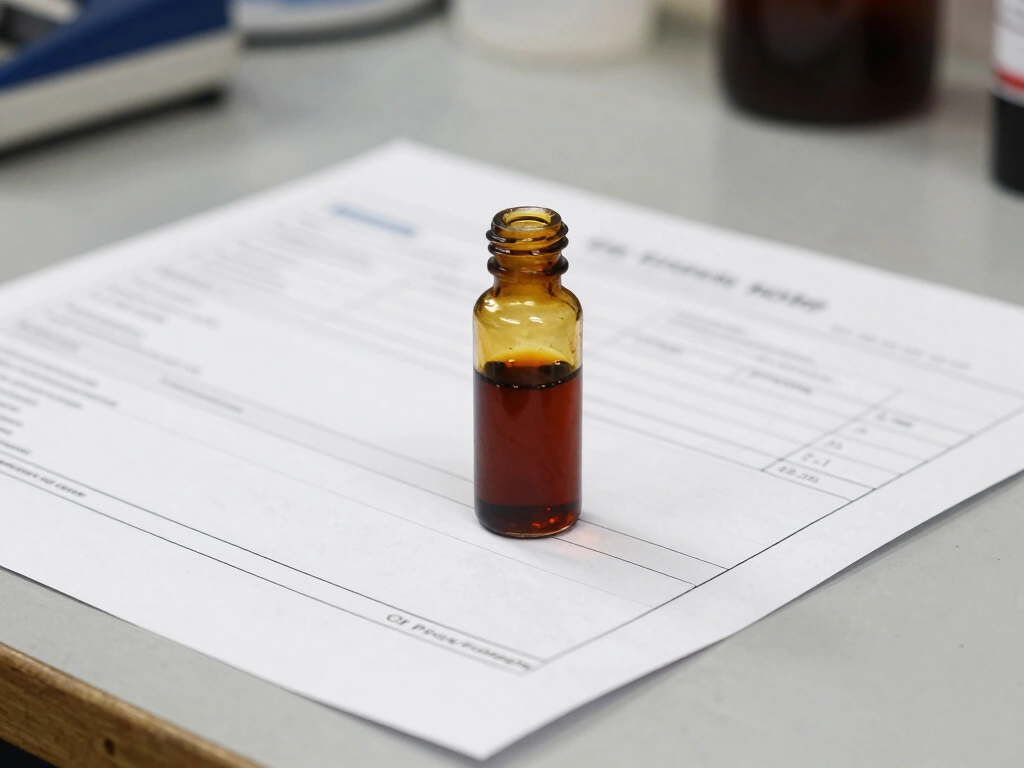
If you want to eliminate all guesswork, send a used-oil sample to a laboratory. Companies like Blackstone Laboratories run a full analysis for under $35 — they measure viscosity, wear metals (iron, copper, aluminum), fuel dilution, soot loading, and additive depletion.
An Oil Analysis Kit gives you a report that tells you whether your oil was actually degraded when you changed it, or whether you had thousands of miles of life remaining. After two or three analyses, you’ll have a personalized baseline for your specific engine, oil type, and driving pattern. That’s more accurate than any sticker or algorithm.
Related Articles
- Does It Actually Matter What Motor Oil You Use?
- Best Synthetic Motor Oil: Top Full Synthetic Picks Compared
- Extended Oil Change Interval: How Far Can You Actually Push It?
Frequently Asked Questions
How do I know when my oil needs changing without an oil life monitor?
Check the dipstick for level and condition every 2,000–3,000 miles. Dark oil alone doesn’t mean it needs changing — full synthetic darkens faster than conventional because it suspends more particulate. The actual signals are: oil at or below the MIN mark, gritty texture between your fingers, milky or foamy appearance (coolant contamination), or fuel smell. Any of those call for a change and possibly further diagnosis.
Is dark motor oil always bad?
No. Full synthetic oil that’s doing its job darkens as it suspends soot and combustion byproducts. That’s the detergent and dispersant package working correctly. Dark color alone is not a reliable indicator that oil needs changing. The condition to watch for is dark oil that also smells burned, has gritty particles, or is accompanied by a low oil level.
What causes viscosity breakdown in motor oil?
Viscosity breakdown happens through two main mechanisms. First, extended thermal stress causes the base oil to oxidize — irregular molecular chains break down, forming acids and thickening deposits that change the oil’s flow characteristics. Second, mechanical shear from high-speed engine components physically breaks down the viscosity index improver additives that allow multi-grade oils (like 5W-30) to flow thin when cold and thick when hot. When those additives shear, the oil behaves more like its hot-temperature rating all the time, losing its cold-flow advantage.
Can I go longer between oil changes if I don’t drive much?
Time matters in addition to mileage. Motor oil picks up moisture and combustion acids even with minimal driving — particularly from short trips where the engine never fully warms up. Most manufacturers recommend a 12-month maximum interval regardless of mileage for this reason. If you drive under 3,000 miles per year, change the oil annually.
What’s the difference between the normal and severe service intervals in my owner’s manual?
Normal service covers typical mixed driving: a combination of highway miles and city miles, moderate temperatures, no sustained towing. Severe service covers frequent short trips under 5 miles, extreme temperatures (very hot or very cold), regular towing near rated capacity, dusty environments, and extended idling. Most daily drivers are in normal service. If two or more severe conditions apply, follow the severe interval. The oil change interval guide has the full breakdown by oil type and driving pattern.
Related Articles
How Often Should You Change Your Oil? (The Real Answer)
How often should you change your motor oil? The answer is in your owner's manual — not on that 3,000-mile windshield sticker.

How to Read a Motor Oil Label: API, SAE & ILSAC Explained
Motor oil labels carry six pieces of information — most drivers decode one. Here's what SAE viscosity, API SP, ILSAC GF-6A, and the rest actually mean.

How to Choose the Right Motor Oil for Your Car
Learn how to choose motor oil using your owner's manual, SAE viscosity grades, and API specs. Includes a selection table for all vehicle types.